Why Dry Wells Are Essential for Managing Montana's Heavy Runoff


Understanding the Importance of Dry Wells
Montana's diverse landscape, characterized by its mountainous regions and expansive plains, often experiences significant runoff due to heavy rainfall and snowmelt. Managing this excess water is crucial to prevent flooding and erosion. This is where dry wells come into play. These structures are designed to collect and manage runoff, allowing it to seep slowly into the ground.
How Dry Wells Function
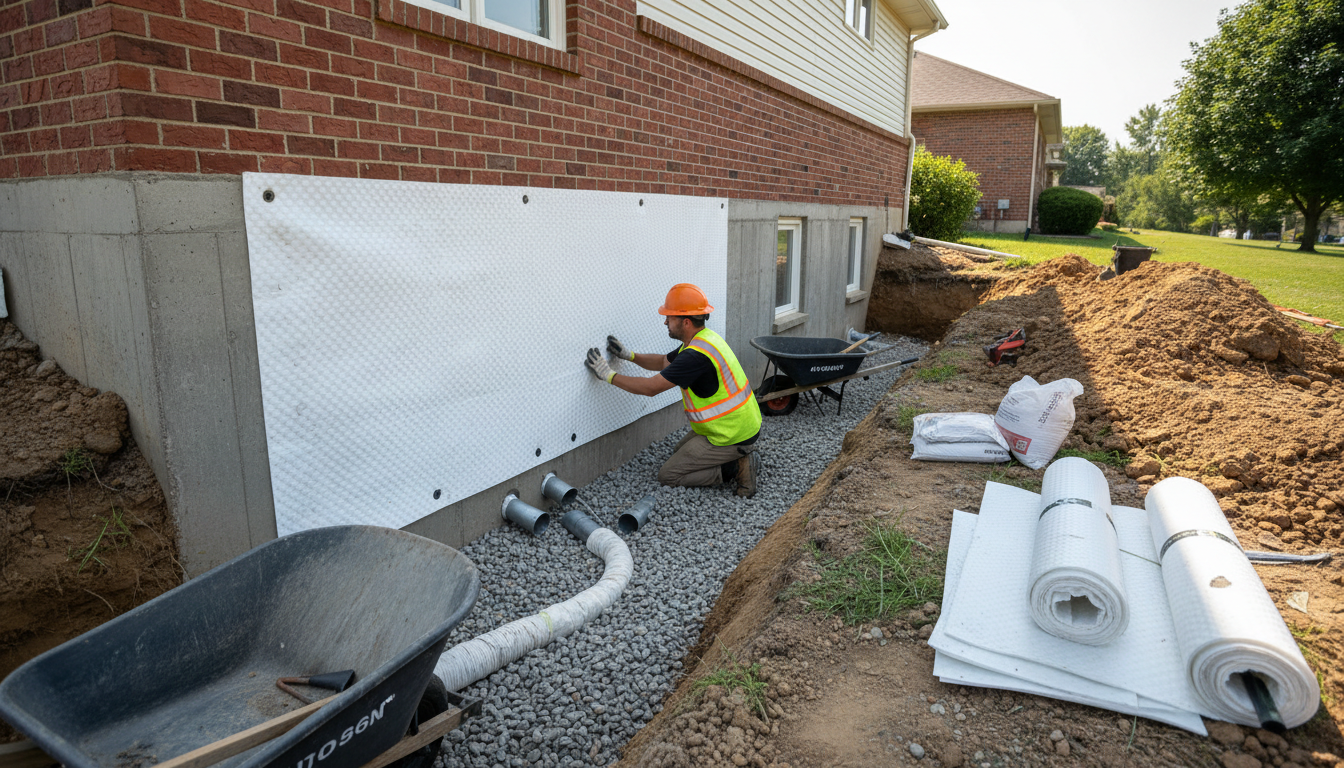
Dry wells are essentially underground structures that collect stormwater and allow it to percolate into the surrounding soil. This process helps recharge groundwater and reduces surface water accumulation. By managing runoff effectively, dry wells play a critical role in maintaining the natural water cycle, supporting local ecosystems, and preventing property damage.
Benefits of Using Dry Wells
Incorporating dry wells into your property can offer several benefits:
- Flood Prevention: By capturing excess runoff, dry wells help prevent flooding, which can damage landscapes and structures.
- Soil Erosion Control: By reducing the speed and volume of surface water flow, dry wells help protect the soil from erosion.
- Groundwater Recharge: Allowing water to seep into the ground helps replenish aquifers, ensuring a sustainable water supply.
Design and Installation Considerations
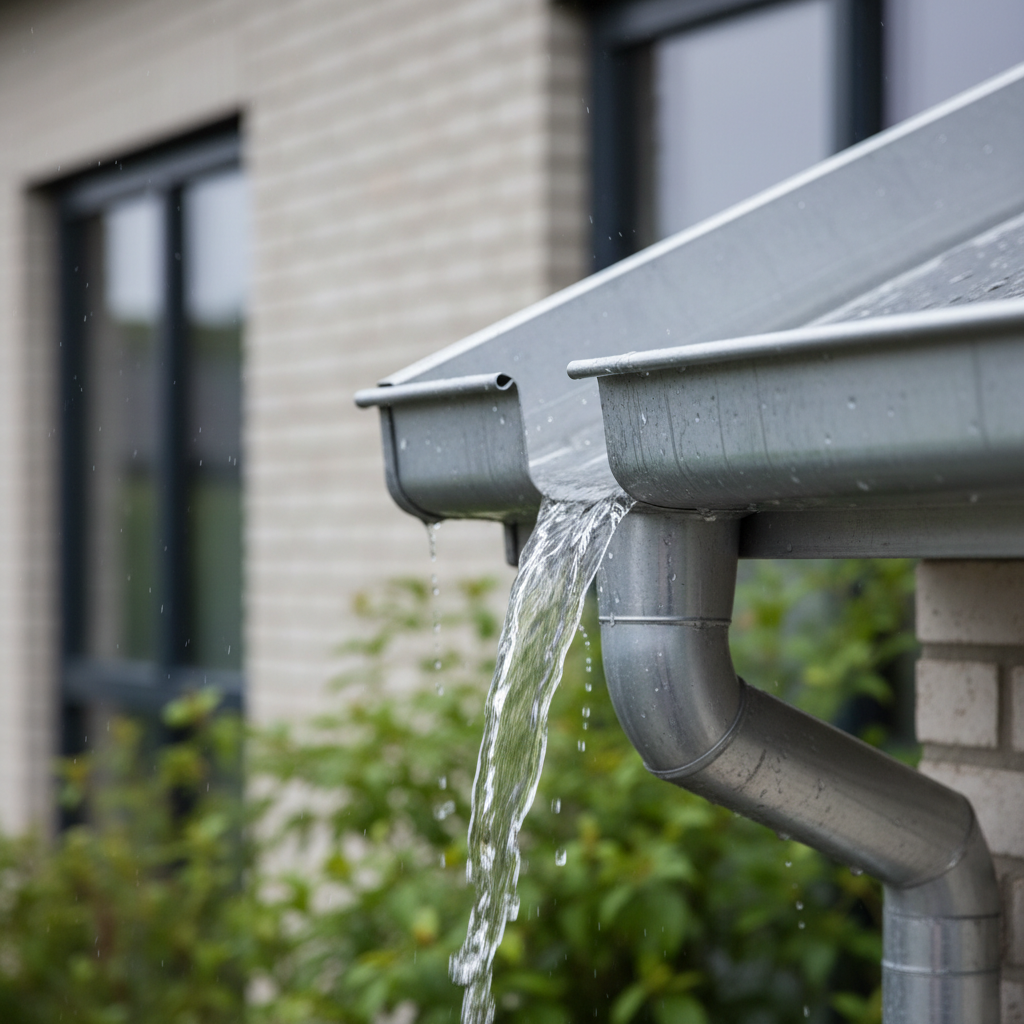
When planning a dry well, several factors should be considered to ensure its effectiveness. The size of the dry well must be adequate to handle the expected volume of runoff. Additionally, the location should be carefully chosen to maximize its efficiency while avoiding interference with existing structures or utilities.
Local Regulations and Permits
Before installing a dry well, it's important to check with local authorities regarding any regulations or permits required. Compliance with these regulations ensures that the dry well is safe and effective, and that it meets environmental standards. Consulting with professionals can also help in designing and installing a system that meets specific needs and conditions.
Environmental Impact
Dry wells contribute positively to the environment by reducing surface water pollution. As water seeps through the soil, it undergoes natural filtration, removing various pollutants. This process improves the quality of water that eventually reaches the groundwater table, supporting healthier ecosystems and providing cleaner water sources.
Cost-Effectiveness and Maintenance
While the initial installation of a dry well might require investment, the long-term benefits often outweigh the costs. Maintenance is relatively minimal, typically involving periodic inspections to ensure the system is functioning properly. Regular maintenance helps in identifying and addressing issues such as clogs or sediment buildup.
In conclusion, dry wells are an essential tool in managing Montana's heavy runoff. They offer numerous benefits, including flood prevention, erosion control, and groundwater recharge, while also being environmentally friendly and cost-effective. By implementing these systems, homeowners and communities can better protect their properties and contribute to a more sustainable environment.