Unveiling the Truth: Common Myths About Drainage Systems in Montana


Introduction to Drainage Systems
Drainage systems are a critical component of infrastructure, especially in a state like Montana, where diverse weather conditions can impact water flow. However, several myths about these systems can lead to misunderstandings and poor decision-making.
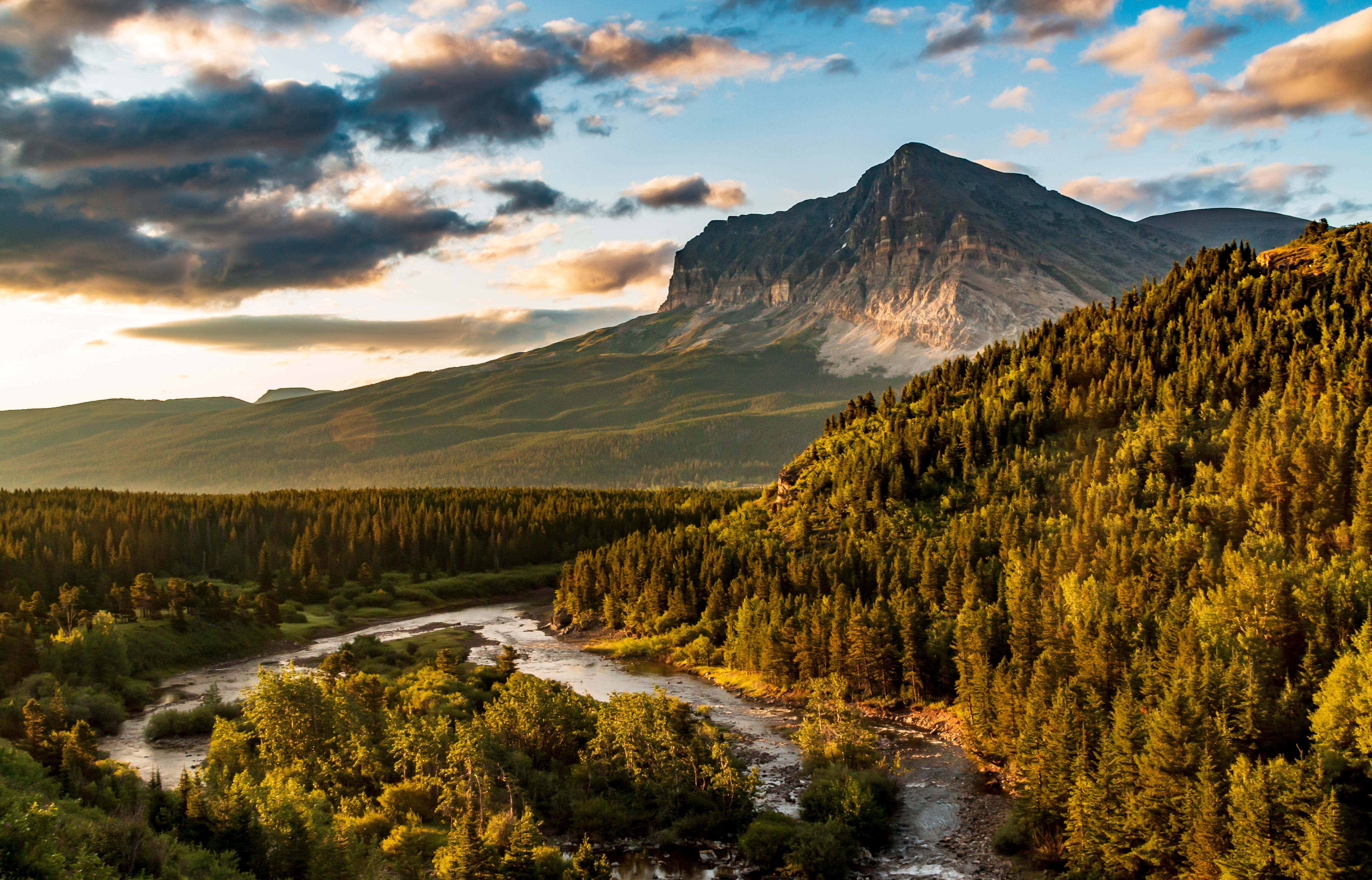
Myth 1: All Drainage Systems Are the Same
One common misconception is that all drainage systems function the same way. In reality, drainage solutions can vary significantly based on the specific needs of an area. Factors such as soil type, topography, and climate influence the design and implementation of these systems.
It's essential to understand that a drainage system suitable for urban areas may not be effective in rural settings. Customizing a drainage solution to fit the unique characteristics of an area is crucial for optimal performance.
Myth 2: Drainage Systems Require Minimal Maintenance
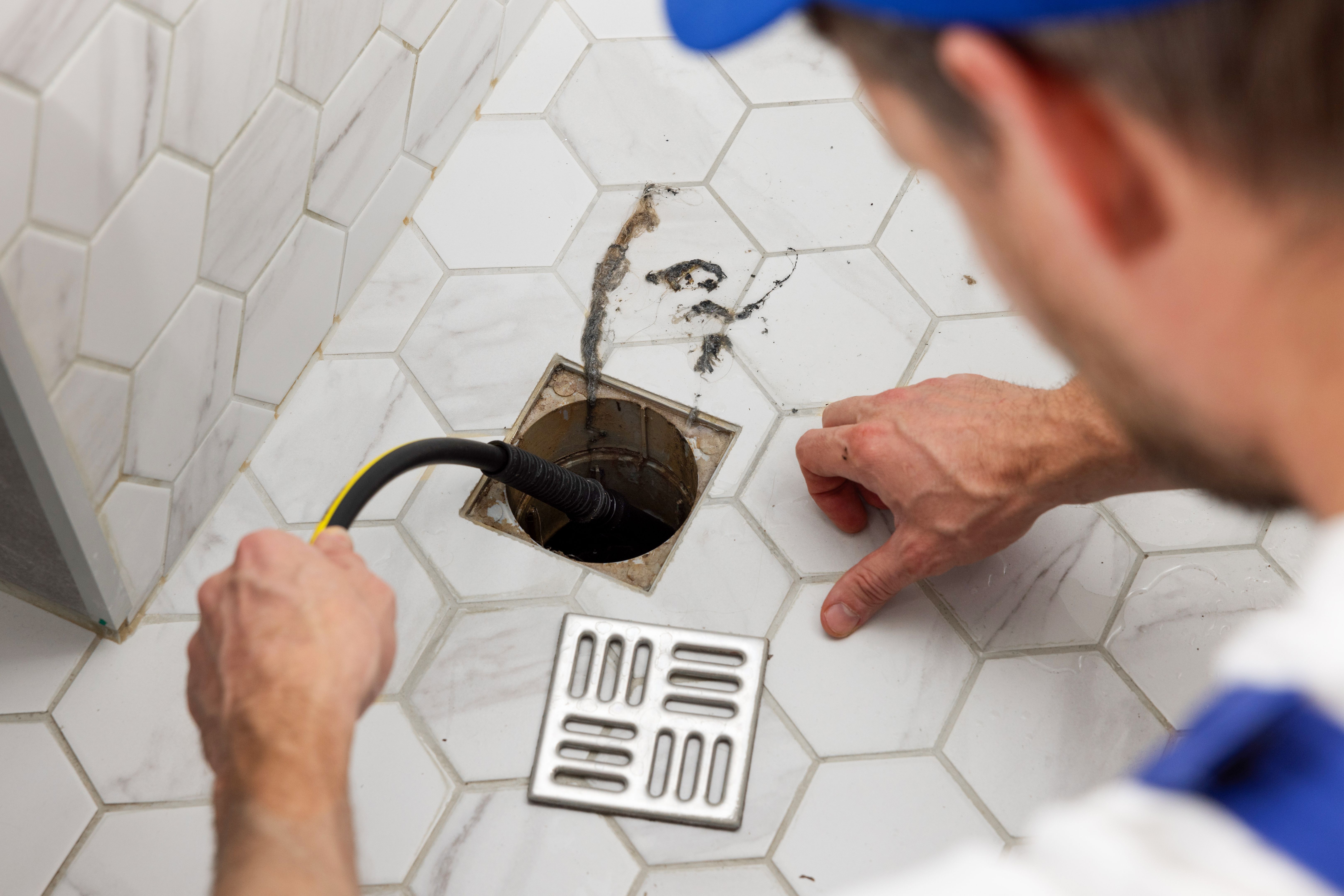
Another widespread myth is that once installed, drainage systems require little to no upkeep. However, regular maintenance is vital to ensure their longevity and efficiency. This includes clearing debris, checking for blockages, and inspecting the structural integrity of the system.
Ignoring maintenance can lead to issues such as clogs and overflows, which can cause extensive damage to property and the environment. Proactive care helps in identifying potential problems before they escalate.
Myth 3: Drainage Issues Are Only a Concern During Heavy Rain
Many people believe that drainage problems only occur during periods of heavy rainfall. While it's true that heavy rain can exacerbate issues, drainage systems must function effectively year-round. Snowmelt, for instance, is a significant concern in Montana and can lead to water accumulation if not properly managed.
Ensuring that drainage systems are designed to handle all forms of precipitation is essential for preventing water-related damage throughout the year.
Myth 4: DIY Drainage Solutions Are Sufficient
Some homeowners might consider DIY solutions adequate for addressing drainage issues. While minor problems can sometimes be managed independently, complex drainage challenges often require professional expertise. Attempting to fix significant issues without the right knowledge can lead to costly mistakes.

Professional assessment and installation ensure that the system is designed to meet the specific needs of the property, providing a long-term solution rather than a temporary fix.
Conclusion
Understanding the truth behind these common myths about drainage systems in Montana can lead to better decision-making and more effective water management. By recognizing the importance of tailored solutions, regular maintenance, and professional intervention, property owners can protect their investments and contribute to the sustainable management of water resources.