Understanding Local Regulations for Water Management in Bigfork, MT


Introduction to Water Management in Bigfork
Bigfork, MT, nestled in the heart of the Flathead Valley, is a community that cherishes its natural resources, particularly its water bodies. Understanding local regulations for water management is crucial for residents and businesses to ensure the sustainability of these precious resources.
Water management in Bigfork involves a combination of federal, state, and local regulations. These rules aim to protect water quality, manage water usage, and preserve the natural environment.
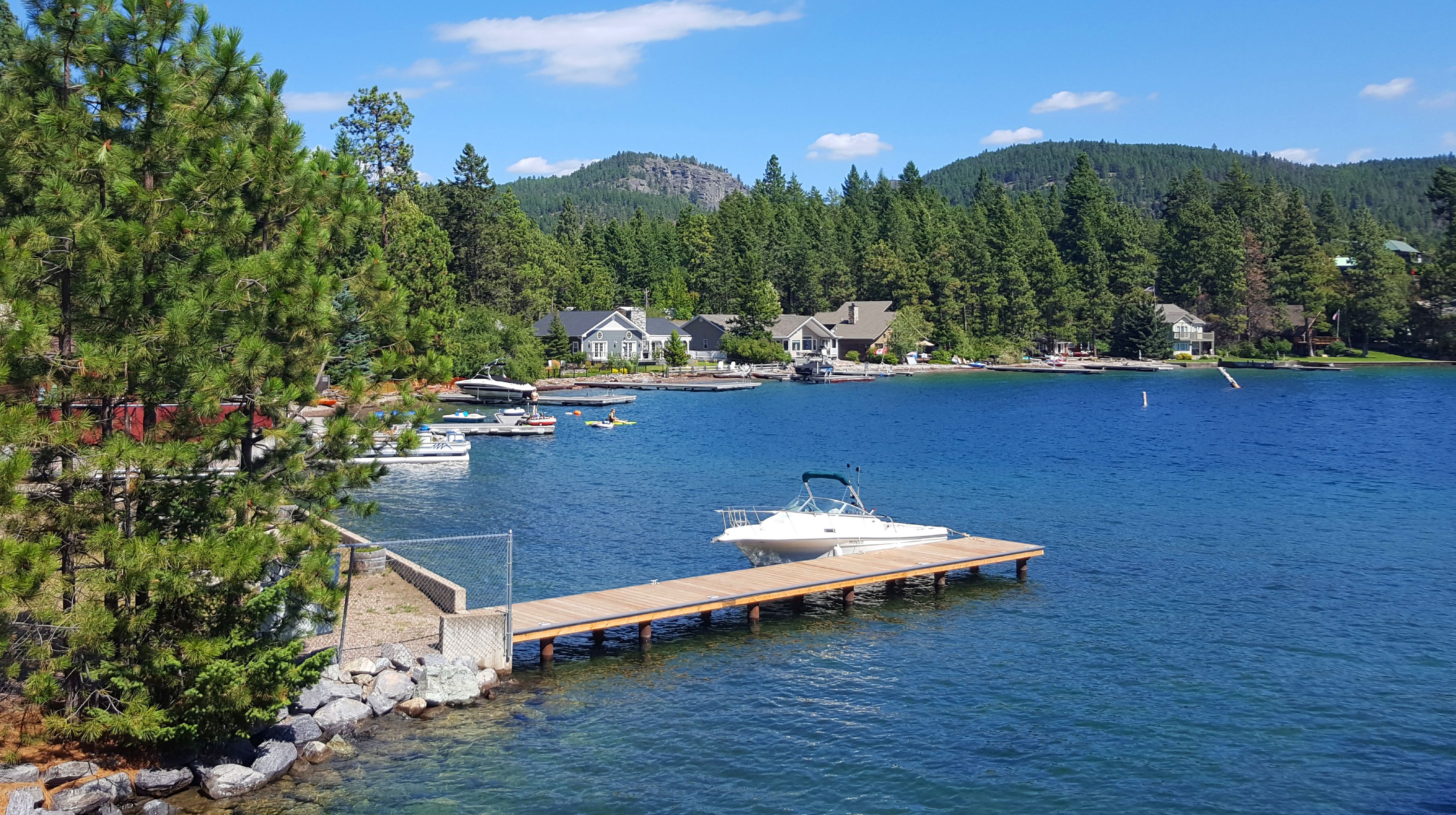
Key Regulations and Governing Bodies
Several organizations play a role in water management in Bigfork. The Montana Department of Environmental Quality (DEQ) and the Flathead Conservation District are two primary bodies overseeing water policies. They ensure compliance with regulations to protect water quality and manage natural resources.
Local ordinances also play a significant role in water management. These regulations address issues such as stormwater runoff, water conservation, and wastewater treatment, tailored specifically to the needs of the Bigfork community.
Stormwater Management
Stormwater management is a critical aspect of water conservation in Bigfork. Local regulations require property owners to implement measures that reduce runoff and prevent contamination of water bodies. Techniques such as rain gardens, permeable pavements, and retention ponds are encouraged.

Water Conservation Efforts
Bigfork has implemented several initiatives to promote water conservation. The community encourages residents to adopt water-saving practices such as installing low-flow fixtures, fixing leaks promptly, and using drought-resistant landscaping.
Additionally, the local government provides resources and incentives for businesses and homeowners to implement water-efficient technologies, contributing to the overall sustainability of the region's water supply.
Wastewater Treatment Regulations
Proper wastewater management is essential in maintaining water quality. Bigfork's regulations require that wastewater is treated effectively before being discharged into the environment. This includes adhering to guidelines for septic systems and ensuring that industrial discharges meet environmental standards.

Community Involvement and Education
Education and community involvement are integral to successful water management in Bigfork. Local organizations often host workshops and seminars to educate residents about water conservation techniques and the importance of protecting natural resources.
Community events and volunteer programs also provide opportunities for residents to engage actively in water management efforts, fostering a culture of environmental stewardship.
Challenges and Future Directions
Despite the progress made, Bigfork faces challenges such as climate change and population growth, which put additional pressure on water resources. The community is continually exploring innovative solutions and adaptive strategies to address these challenges.
Future directions include investing in advanced technologies for water treatment and expanding public awareness campaigns to ensure a sustainable water future for Bigfork.