Understanding Dry Wells: An Effective Solution for Heavy Runoff in Kalispell


Kalispell, with its picturesque landscapes and varying weather patterns, often experiences heavy runoff. This can lead to erosion and flooding, posing challenges for homeowners and city planners alike. An effective solution gaining popularity is the installation of dry wells, which offer a sustainable way to manage excess water.
What Are Dry Wells?
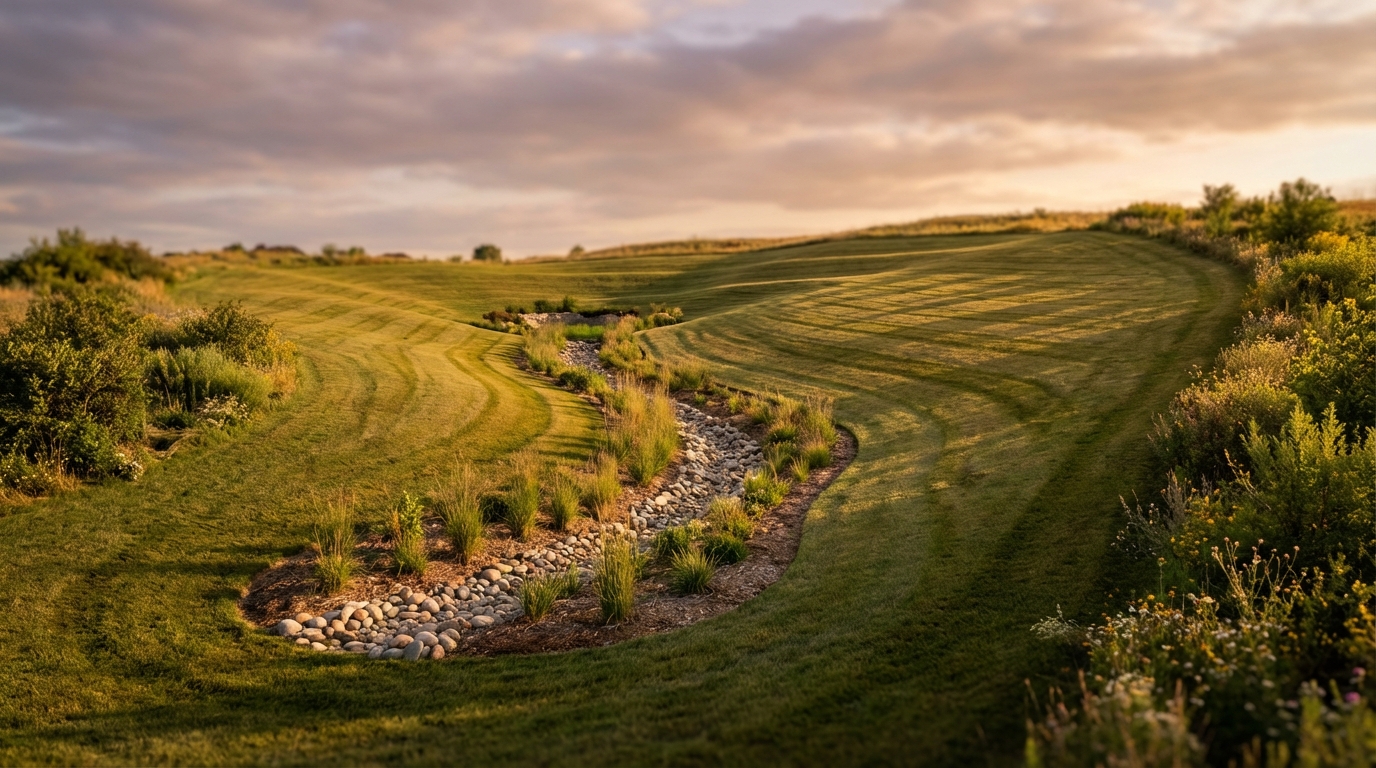
Dry wells are underground structures designed to collect and disperse rainwater or runoff into the ground. They are typically filled with gravel or other aggregates, allowing water to percolate naturally into the surrounding soil. This not only reduces surface water but also helps replenish groundwater levels.
Components of a Dry Well
A typical dry well consists of an inlet pipe, a storage chamber, and an outlet. The inlet pipe directs water into the chamber, where it is temporarily stored before seeping into the ground. The chamber is usually a perforated container that facilitates water dispersion.

Benefits of Using Dry Wells
Dry wells offer several advantages, making them a popular choice in areas like Kalispell:
- Reduces Flooding: By diverting excess water into the ground, dry wells help prevent surface flooding.
- Prevents Soil Erosion: Controlled water dispersion minimizes erosion risks.
- Groundwater Recharge: They aid in replenishing local aquifers, promoting ecological balance.
Environmental Impact
Incorporating dry wells into stormwater management plans supports sustainable development. By reducing reliance on municipal drainage systems, they contribute to a greener urban infrastructure.

Installation and Maintenance
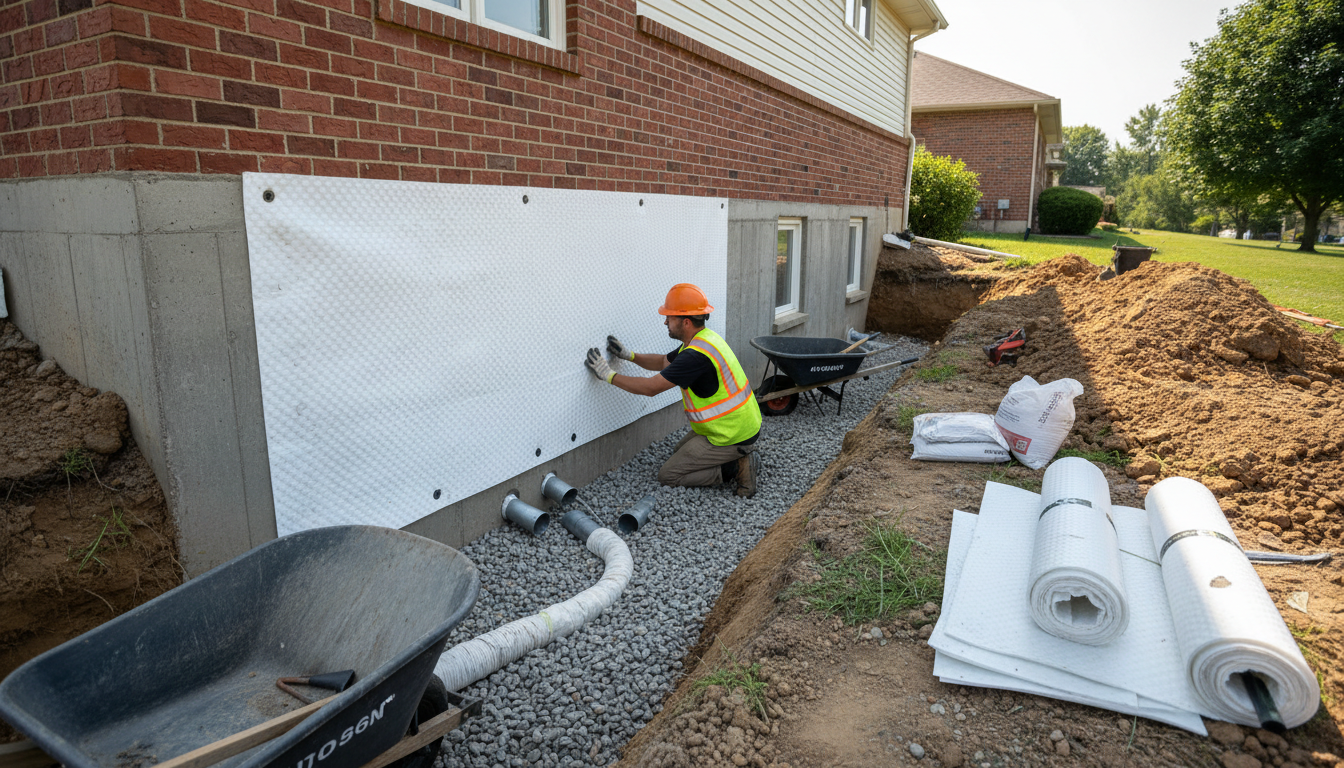
Installing a dry well involves several steps, starting with site assessment to determine the best location and size. Excavation follows, with the installation of the chamber and backfilling with gravel. Regular maintenance, such as clearing debris from the inlet, ensures optimal performance.
Considerations for Kalispell
In Kalispell, where seasonal changes can be drastic, it's crucial to consider factors like soil type and water table levels before installation. Consulting with local experts can provide valuable insights tailored to the area’s unique conditions.
Conclusion
Dry wells present an effective solution for managing heavy runoff, particularly in regions prone to flooding and erosion. By understanding their benefits and implementation, homeowners and city planners in Kalispell can make informed decisions that enhance both property value and environmental health.