Top DIY Tips for Maintaining Your Home's Drainage System


Understanding Your Home's Drainage System
Your home's drainage system is crucial for maintaining a healthy living environment. It helps channel water away from the house, preventing water accumulation and potential damage. Understanding how it works can empower you to tackle minor issues before they become major problems.
Regular Inspection and Cleaning
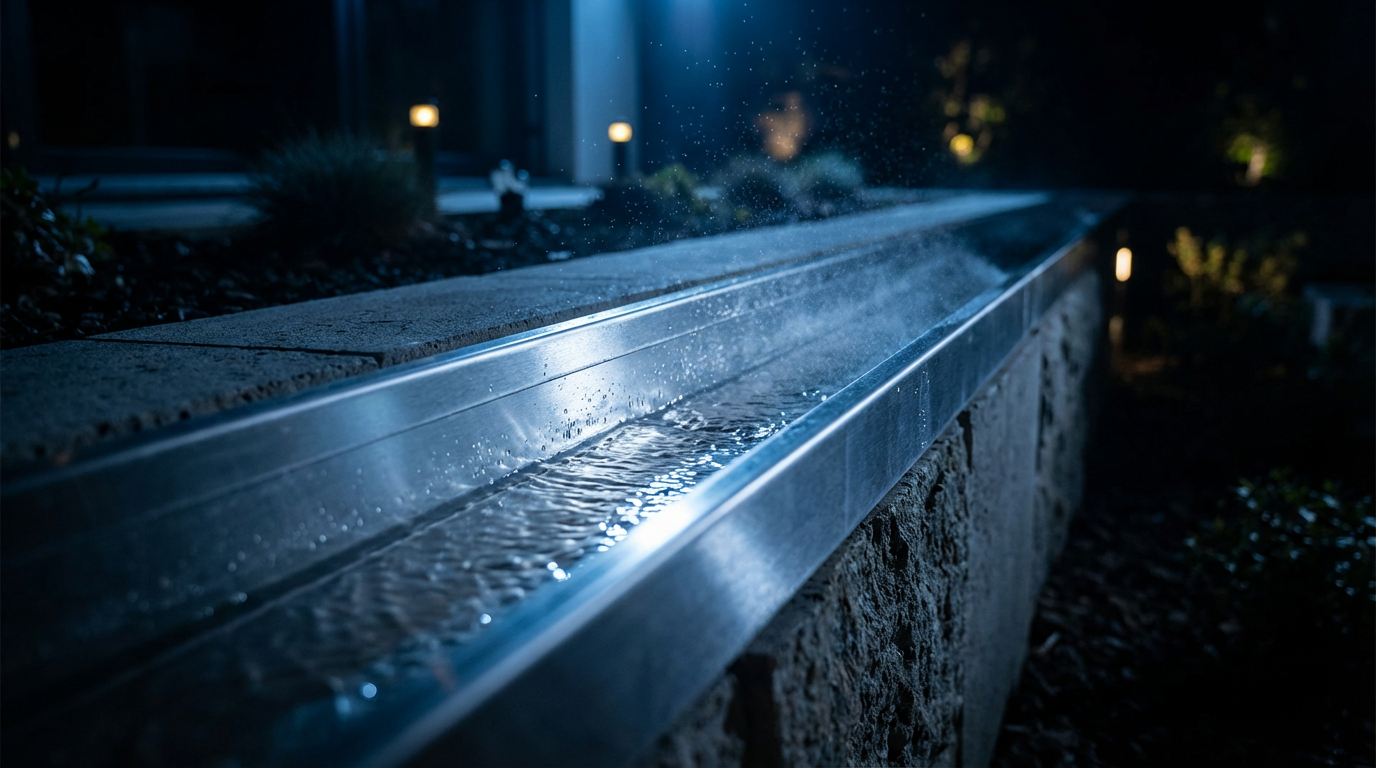
Regular inspection is key to maintaining your drainage system. Look for signs of blockages or leaks, such as slow drainage or unpleasant odors. Cleaning your drains at least once a month can prevent clogs. Use a mixture of baking soda and vinegar to flush out debris and residue naturally.
Clear Debris from Gutters
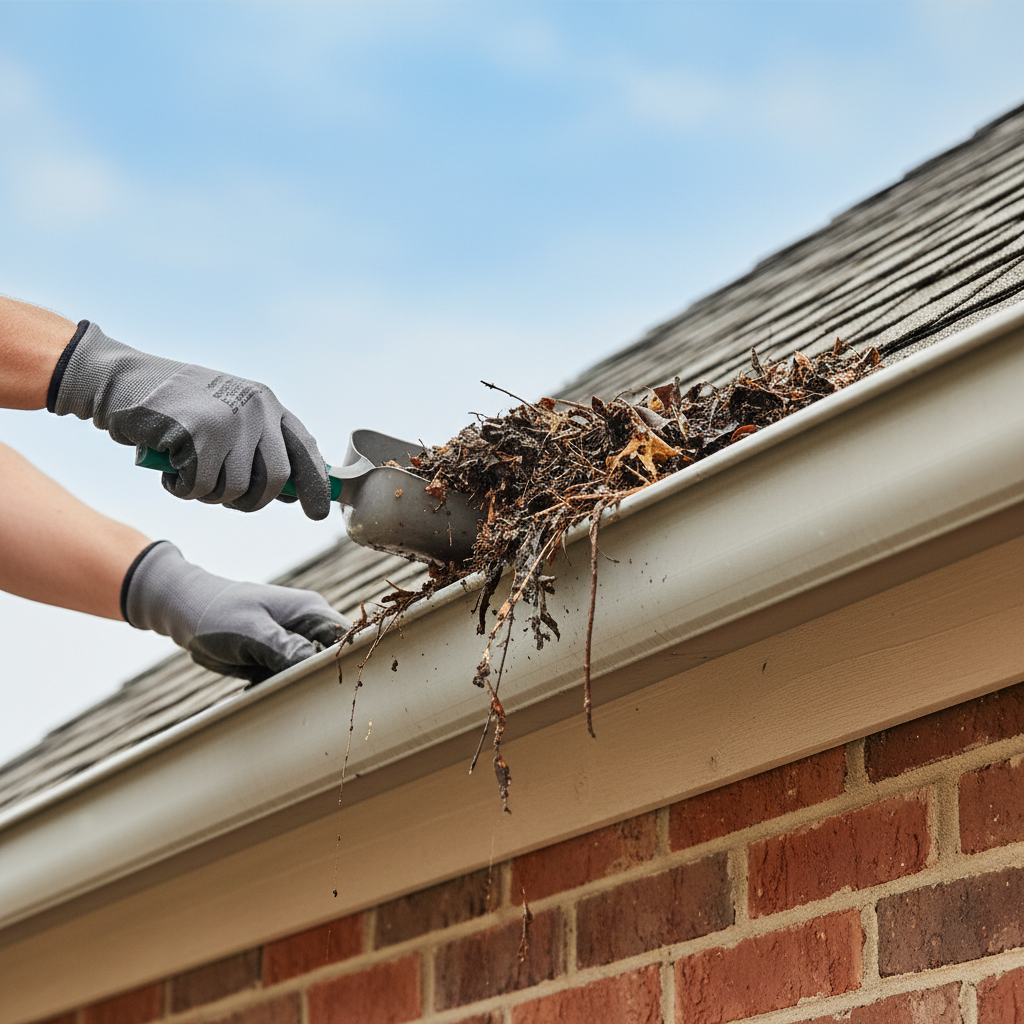
Clogged gutters can cause water to overflow, damaging your roof and foundation. Ensure gutters are free of leaves, twigs, and other debris. Consider installing gutter guards to minimize the buildup of debris and reduce maintenance.
Addressing Clogs Effectively
Clogs are a common issue in drainage systems. For minor clogs, a plunger can often do the trick. For more stubborn blockages, a drain snake or auger can be effective. Avoid chemical drain cleaners, as they can damage pipes and harm the environment.
Ensure Proper Grading
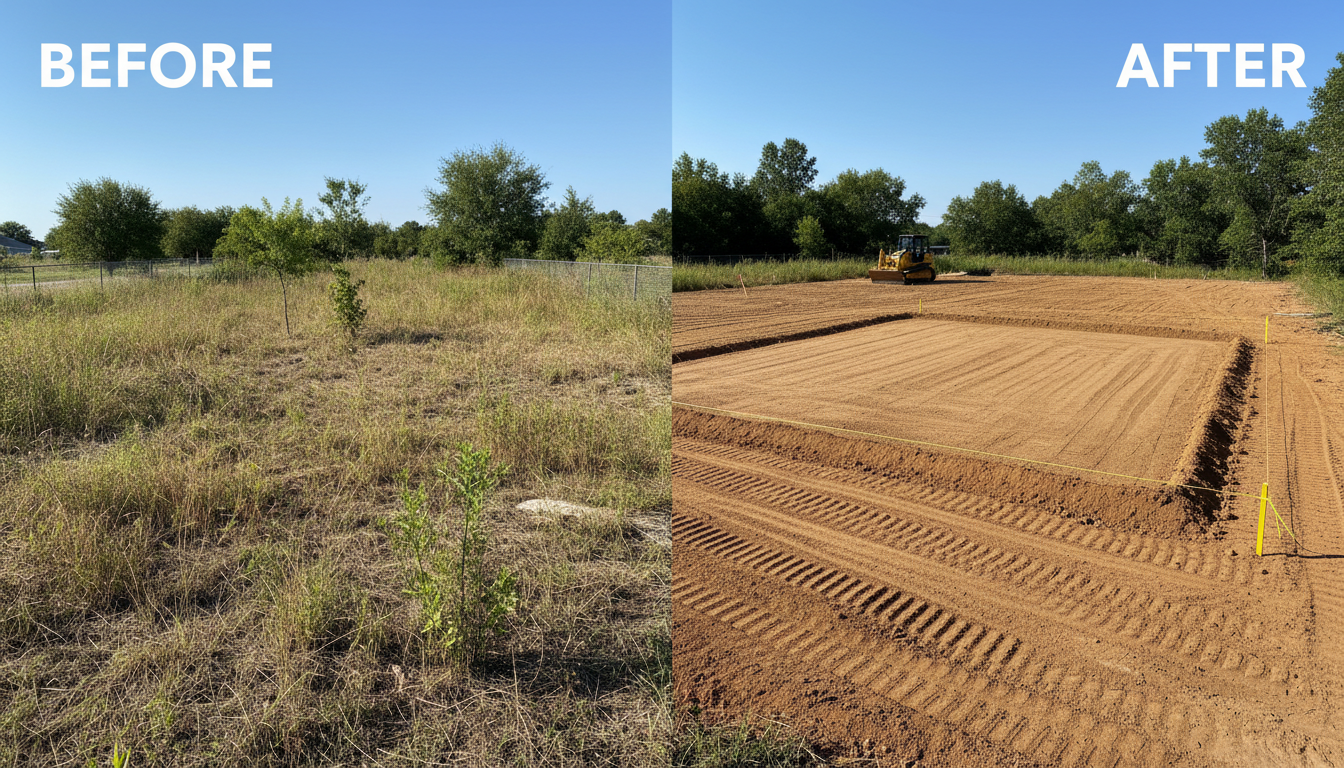
Your yard should slope away from your home to ensure proper drainage. Improper grading can lead to water pooling around your foundation. If necessary, hire a professional to regrade your yard or install a French drain to help redirect water flow.
Preventative Maintenance Tips
Prevention is better than cure. Install hair catchers in bathroom drains to prevent hair buildup. In the kitchen, avoid pouring grease down the drain, as it can solidify and cause blockages. Regularly check for leaks and repair them promptly to avoid water damage.
Monitor Water Usage
Excessive water usage can strain your drainage system. Consider installing low-flow fixtures to reduce water consumption. This not only saves money but also minimizes the risk of overwhelming your drainage system.
When to Call a Professional
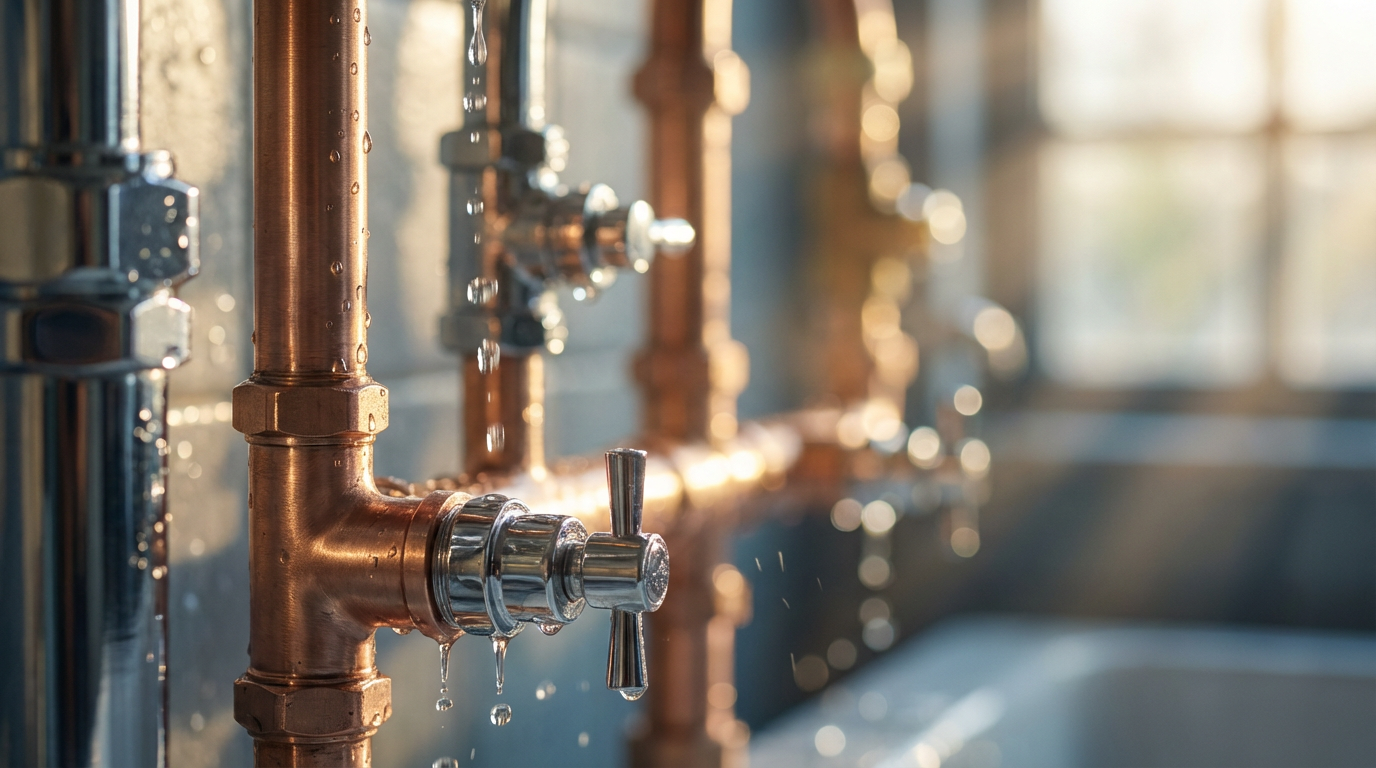
While DIY maintenance can be effective, some issues require professional attention. If you notice persistent clogs, water backing up, or signs of water damage, it’s time to call in an expert. A professional plumber can diagnose and fix complex drainage problems, ensuring your system remains in top condition.
By following these DIY tips, you can keep your home's drainage system functioning smoothly and avoid costly repairs. Regular maintenance, coupled with timely professional intervention, will help protect your home and enhance its longevity.