The Ultimate Guide to French Drain Installation for Flathead Valley Homes


Introduction to French Drains
If you're a homeowner in Flathead Valley, managing water runoff can be crucial due to the region's unique climate and landscape. A French drain is an effective solution to prevent water from accumulating around your home, which can lead to foundation issues and water damage. This guide will walk you through the installation process, benefits, and considerations for French drains.
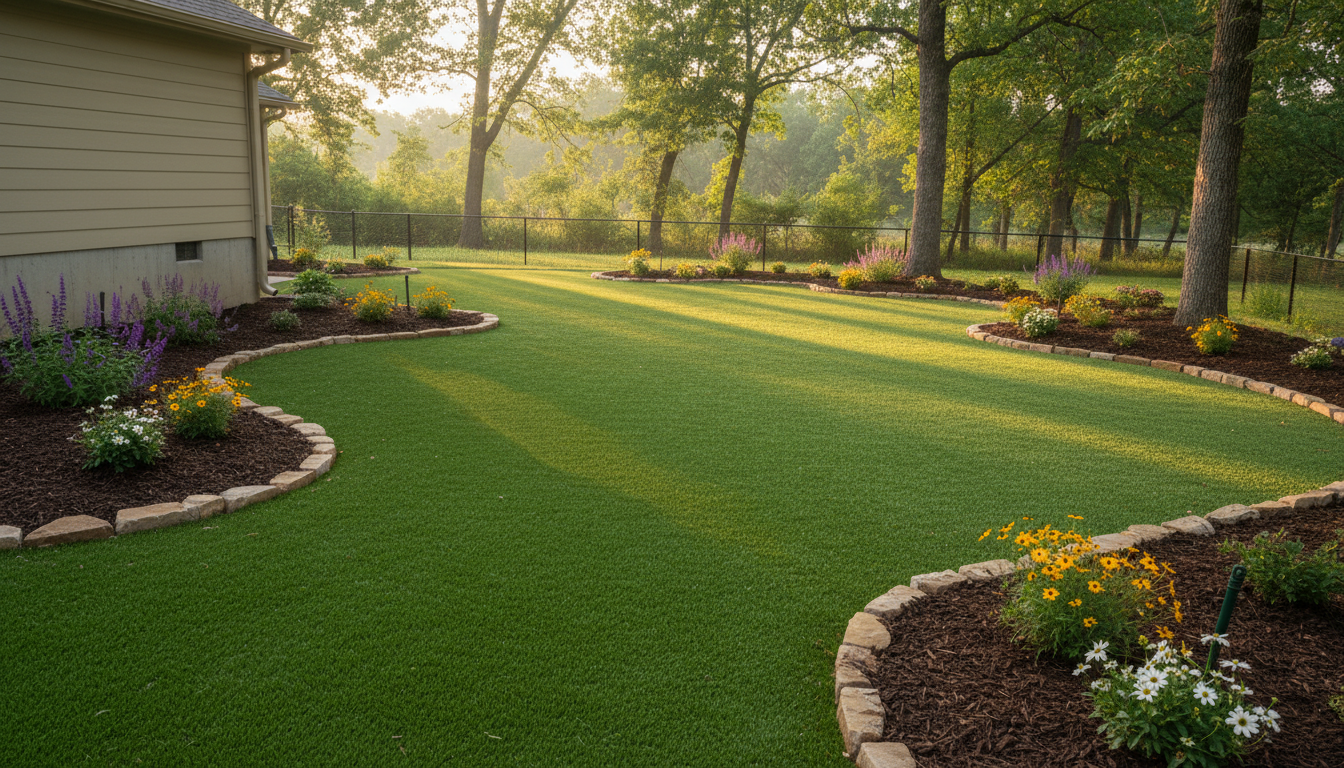
What is a French Drain?
A French drain is a trench filled with gravel or rock containing a perforated pipe that redirects surface and groundwater away from a specific area. This system helps in managing excessive water and is especially useful for homes in areas like Flathead Valley, where heavy rain or snowmelt can lead to water accumulation.
How Does it Work?
The design of a French drain allows it to collect water along its length and channel it to a designated drainage area. The perforated pipe captures water and transports it away, preventing pooling in unwanted areas. This simple yet effective system relies on gravity to move water efficiently.
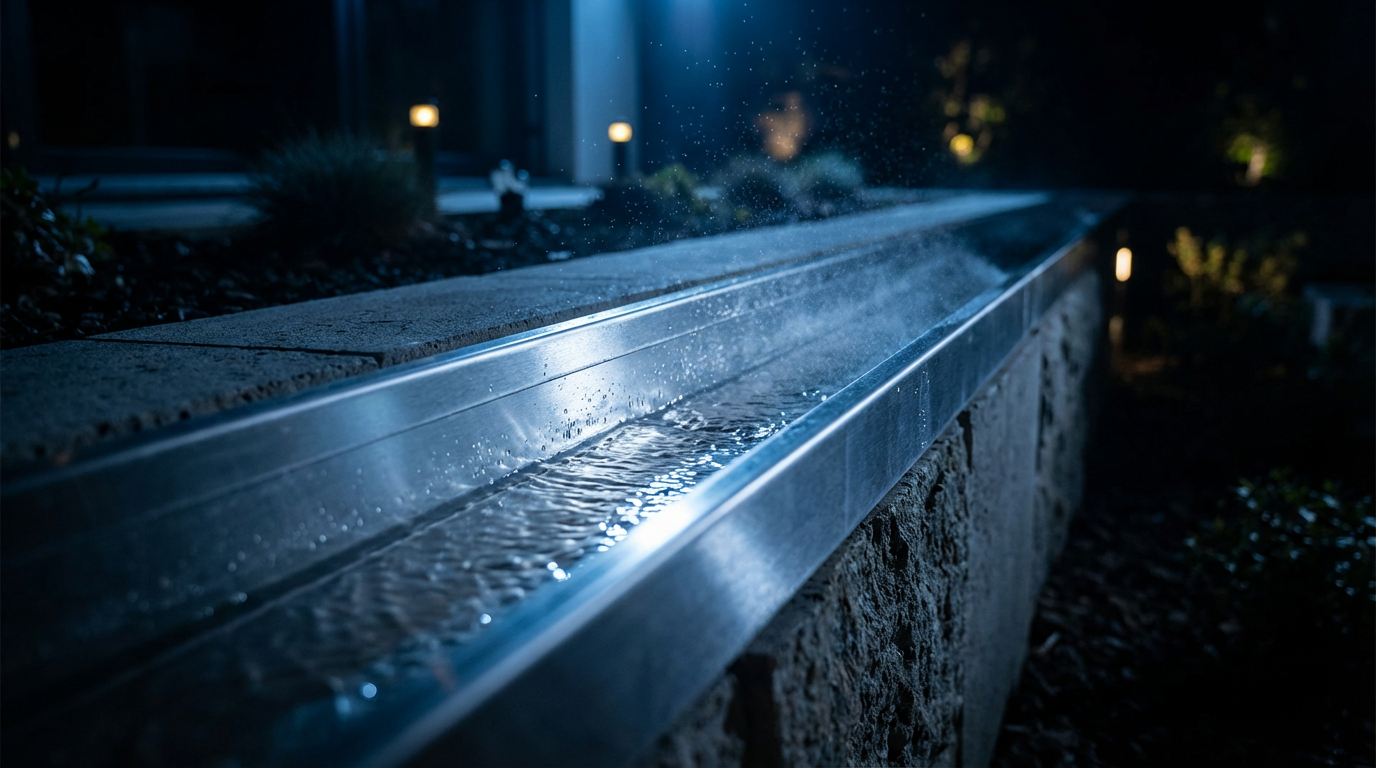
Benefits of Installing a French Drain
Installing a French drain offers several benefits, particularly for homes in regions prone to heavy rainfall or snowmelt. Not only does it protect the foundation by preventing water buildup, but it also helps maintain the landscape by preventing soil erosion.
- Foundation Protection: Prevents water from seeping into the foundation, reducing the risk of cracks and structural damage.
- Landscape Maintenance: Keeps your yard dry and free from erosion, preserving your landscape design.
- Increased Property Value: Improves drainage efficiency, which can be a selling point for potential buyers.
Steps for Installing a French Drain
Installing a French drain involves a few straightforward steps. Here's a detailed guide to help you through the process:
- Plan the Drainage Route: Identify the best path for your drain to take, ensuring it leads water away from your home.
- Dig the Trench: Excavate a trench following your planned route. The depth and width will depend on your specific needs.
- Install the Pipe: Lay a perforated pipe inside the trench, ensuring the holes are facing downward.
- Fill with Gravel: Cover the pipe with gravel, which will act as a filter for debris, ensuring the pipe doesn't clog.
- Cover the Trench: Once the pipe is covered with gravel, you can cover the trench with soil or decorative stones.

Considerations for Flathead Valley Homes
When installing a French drain in Flathead Valley, it's essential to consider the unique weather patterns and soil types. The type of soil can affect the efficiency of a French drain, so it may be necessary to adjust the design accordingly. Consulting with a local expert can provide additional insights specific to your area.
Professional vs. DIY Installation
While installing a French drain can be a DIY project, there are benefits to hiring professionals, especially in areas with challenging terrain or soil conditions. Professionals have the experience and equipment to ensure the system is installed correctly and efficiently.

Maintenance Tips for Longevity
Once your French drain is installed, regular maintenance is key to ensuring its longevity and efficiency. Periodically check for clogs and remove any debris that may have accumulated in the pipe. Keeping the drain clear will help maintain optimal water flow and prevent backups.
In conclusion, installing a French drain in your Flathead Valley home can protect your property from water damage and maintain the integrity of your landscape. By following the steps outlined in this guide, you can ensure your home remains dry and safe throughout the year.