Seasonal Drainage Tips: Preparing for Montana’s Freeze-Thaw Cycles


Understanding Montana’s Freeze-Thaw Cycles
As residents of Montana, we know that the freeze-thaw cycles can wreak havoc on our drainage systems. These cycles, characterized by fluctuating temperatures, can cause water to repeatedly freeze and thaw, leading to potential damage in pipes and gutters. Understanding how these cycles affect your drainage system is the first step in preparing for them.
When temperatures drop, water in your pipes and gutters can freeze, expanding and creating pressure. As temperatures rise again, the ice melts, often leading to leaks or cracks. This cycle can cause significant issues if not addressed properly.
Inspecting Your Drainage System
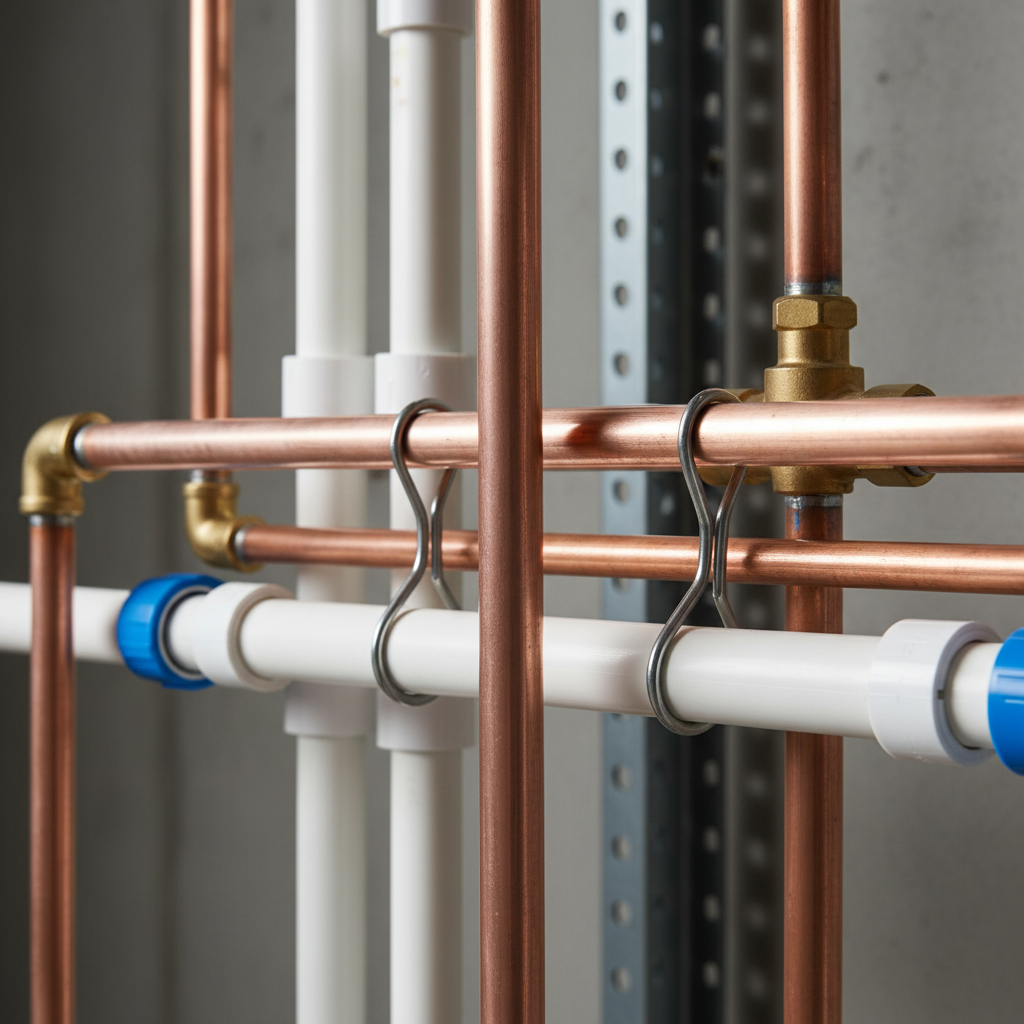
Regular inspections are crucial to ensure your drainage system can withstand the challenges of a freeze-thaw cycle. Start by checking for existing leaks or cracks in your pipes. These vulnerabilities can worsen during a freeze-thaw cycle.
Ensure that gutters and downspouts are clear of debris, as blockages can lead to water accumulation, increasing the risk of ice formation. A simple routine check can save you from costly repairs in the future.

Proper Insulation Techniques
Insulating your pipes is an effective way to prevent them from freezing. Use foam pipe insulation to cover exposed pipes, particularly those in unheated areas such as basements or attics. This helps maintain a stable temperature and reduces the risk of frozen pipes.
Additionally, ensure that any cracks or openings around windows and doors near pipes are sealed. This prevents cold air from seeping in, further protecting your drainage system from freezing.
Maintaining Gutters and Downspouts
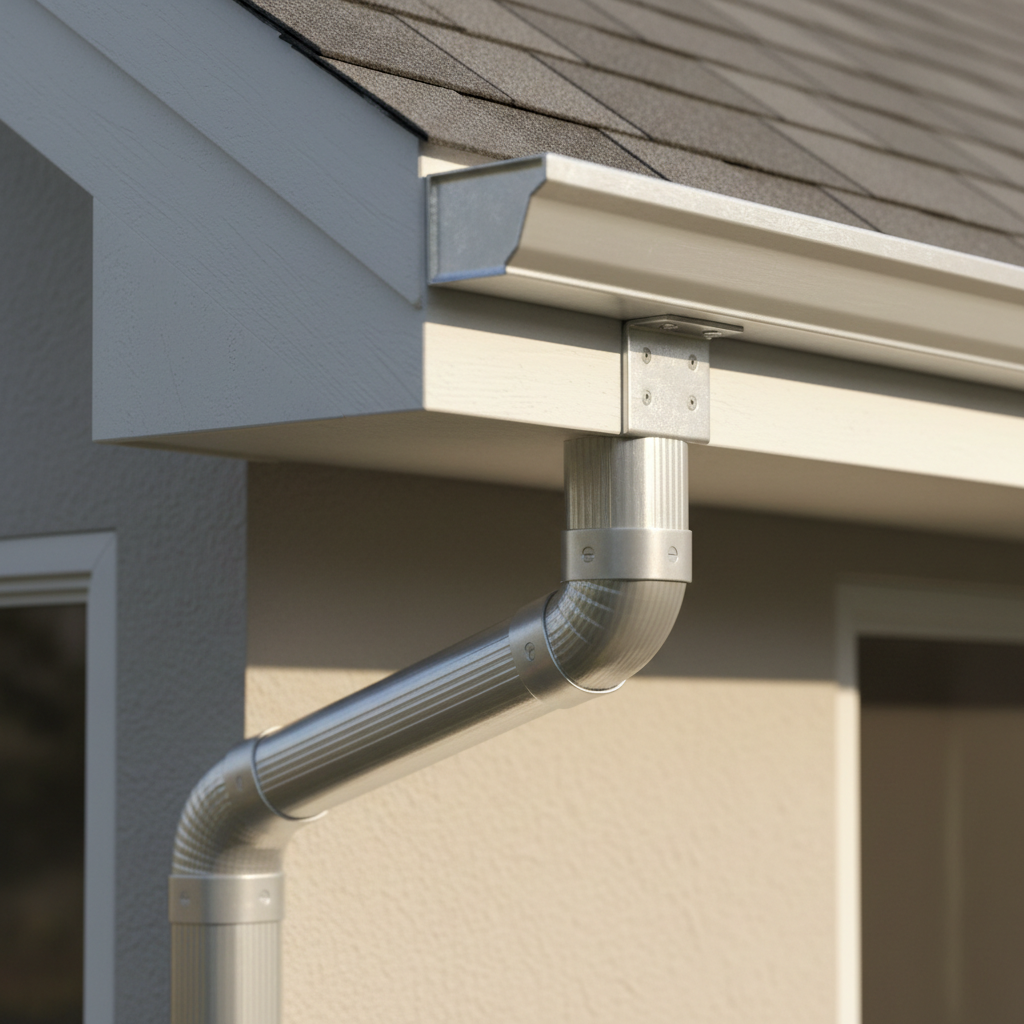
Gutters and downspouts play a crucial role in directing water away from your home. During the fall, clear them of leaves and other debris to ensure proper water flow. This prevents ice dams from forming, which can cause water to back up and seep into your roof or walls.
Consider installing gutter guards to minimize debris buildup. This simple addition can enhance your drainage system's efficiency and reduce maintenance efforts.
Preparing for Emergencies
Even with the best preparations, emergencies can still occur. Keep a list of emergency contacts, such as a trusted plumber, handy. If you experience a burst pipe or severe leak, you'll want to act quickly to minimize damage.
Additionally, familiarize yourself with the location of your main water shut-off valve. In the event of a severe leak, shutting off the water can prevent further damage while you wait for professional help.
Conclusion
By taking proactive steps and understanding the challenges of Montana’s freeze-thaw cycles, you can protect your home’s drainage system from potential damage. Regular inspections, proper insulation, and preparedness are key to weathering the cold months with peace of mind.
Remember, a little preparation goes a long way in ensuring your home remains safe and dry throughout the winter season. Stay vigilant, and you’ll be ready to tackle whatever nature throws your way.
