Myth-Busting: Common Misconceptions About Drainage Systems


Understanding Drainage Systems
Drainage systems are essential components of any infrastructure, yet they often remain misunderstood. These systems are responsible for managing water flow, preventing flooding, and maintaining the safety and health of the environment. However, several misconceptions surround them, leading to confusion and potential issues.
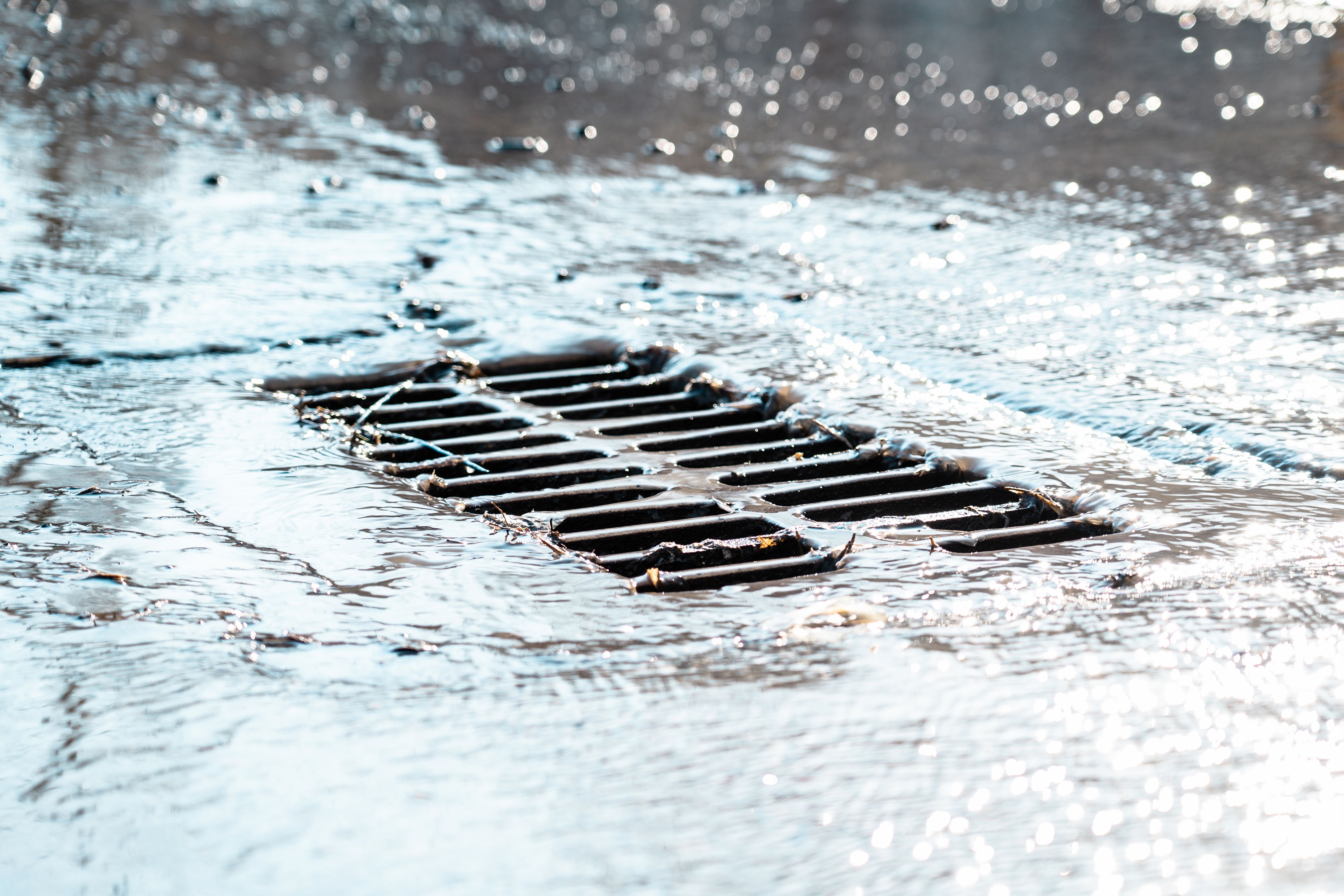
Myth 1: All Drainage Systems Are the Same
One common misconception is that all drainage systems are identical. In reality, drainage systems vary significantly based on their purpose and location. Urban areas may require complex stormwater systems, while rural areas might rely on simpler agricultural drainage solutions. Each system is designed to address specific environmental and infrastructural needs.
The Importance of Tailored Solutions
It's crucial to understand that a one-size-fits-all approach does not work for drainage systems. Tailored solutions are necessary to effectively manage water flow, prevent erosion, and protect property. Consulting with experts who understand local conditions can ensure the right system is implemented.
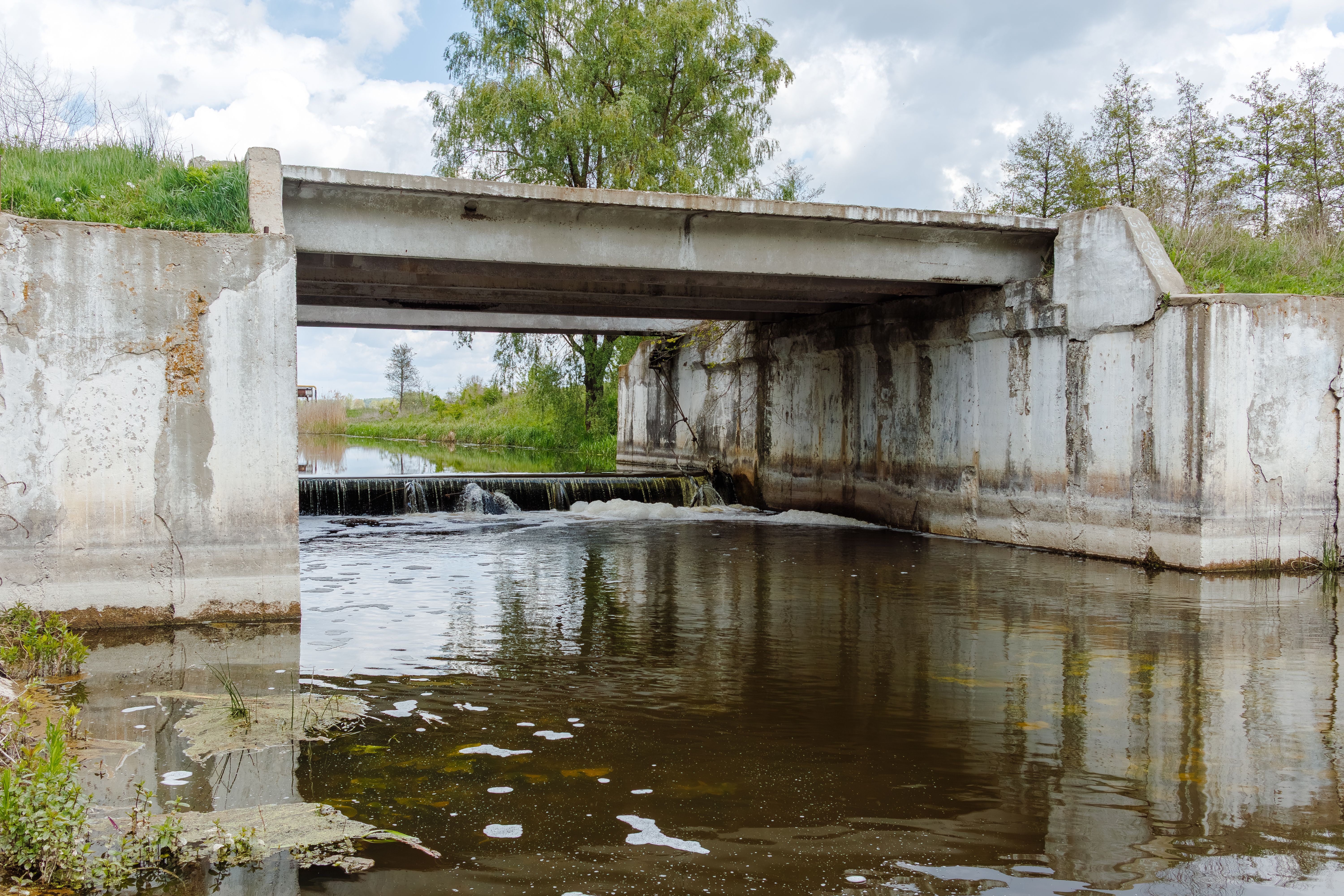
Myth 2: Drainage Systems Don't Require Maintenance
Many people believe that once a drainage system is installed, it doesn't require further attention. This is far from the truth. Regular maintenance is essential to ensure that the system functions correctly and efficiently. Neglecting maintenance can lead to clogs, damages, and even system failure.
Regular Inspections and Cleaning
To keep drainage systems in optimal condition, regular inspections and cleaning are necessary. This helps in identifying potential issues early on and prevents costly repairs down the line. Maintenance should include clearing debris, checking for leaks, and ensuring that all components are functioning as intended.
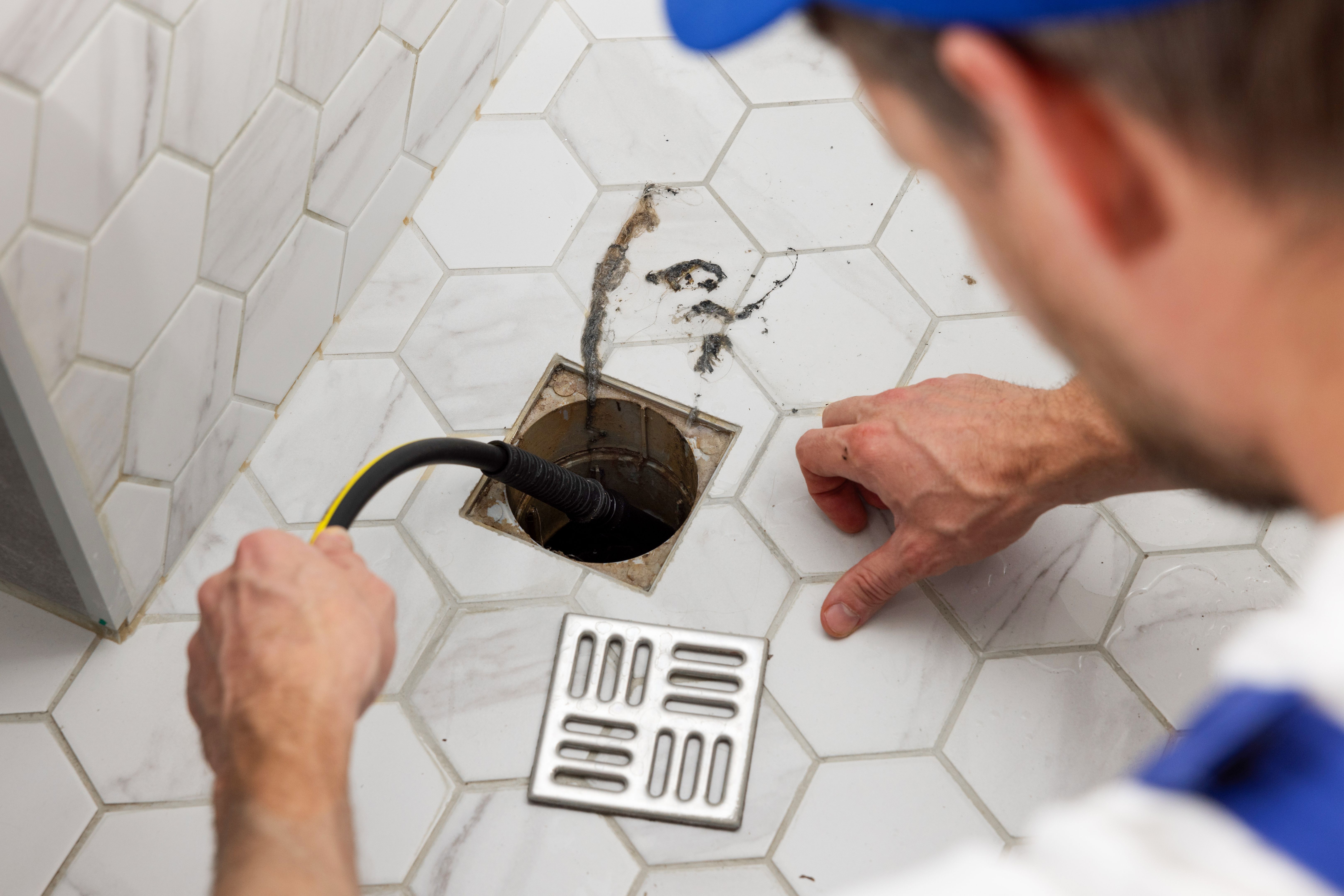
Myth 3: Drainage Systems Are Only for Wet Climates
Another misconception is that drainage systems are only necessary in regions with heavy rainfall. While wet climates do require robust systems, drainage is equally important in dry areas. Proper drainage prevents soil erosion, manages water runoff, and can even contribute to water conservation efforts.
Adapting to Different Environments
In arid regions, drainage systems can be designed to capture and reuse rainwater, supporting sustainable water management. These systems help in maintaining the landscape and protecting infrastructure, proving their importance regardless of climate.
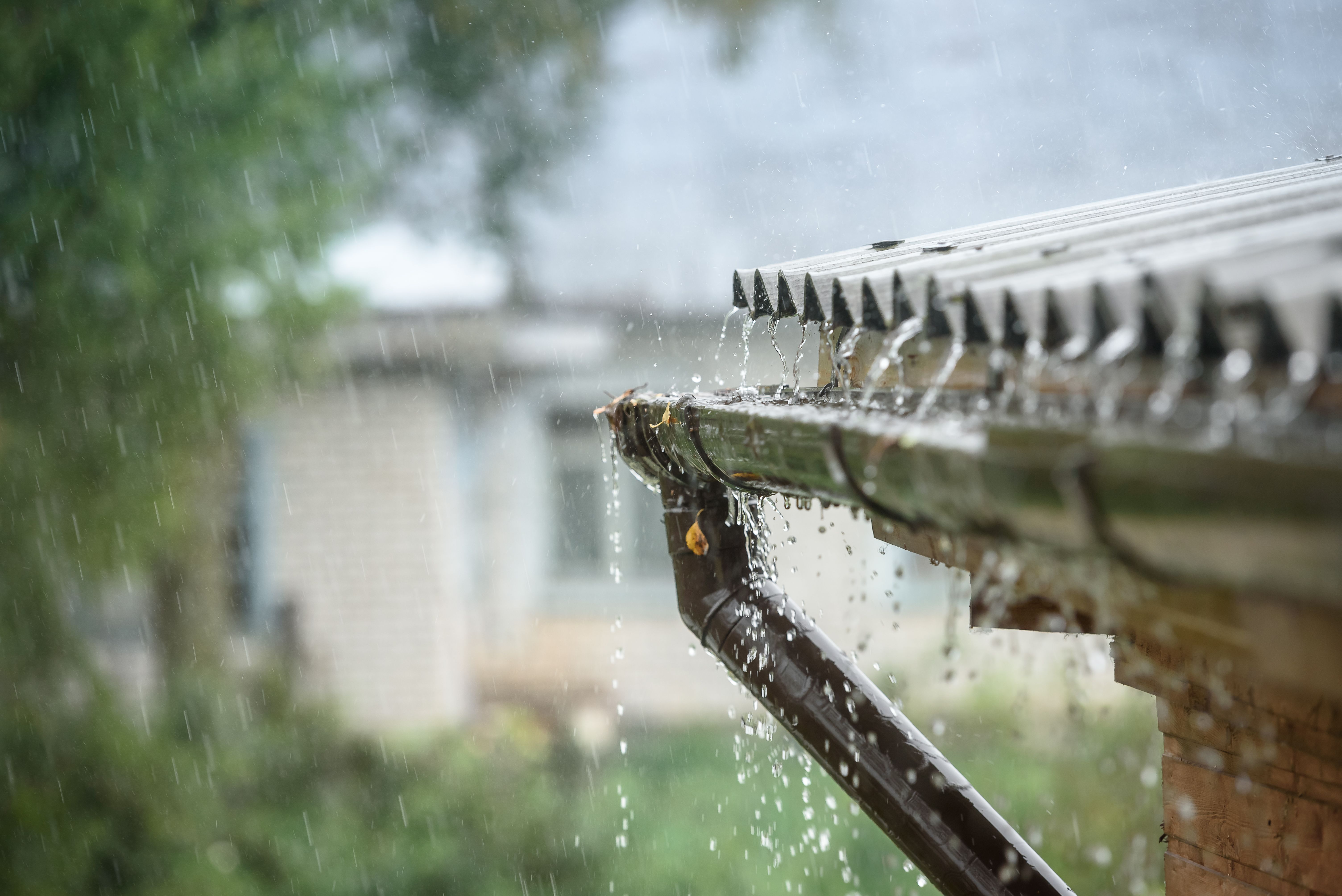
Myth 4: DIY Drainage Solutions Are Sufficient
Some homeowners believe that they can handle drainage issues with simple DIY solutions. While minor issues might be managed temporarily, professional intervention is often necessary for long-term effectiveness. Complex drainage problems require expertise and specialized equipment.
The Risks of Going DIY
Attempting to fix drainage problems without proper knowledge can lead to ineffective solutions and potential property damage. Professional services ensure that the right techniques and materials are used, providing peace of mind and safeguarding your investment.
By debunking these common myths, we can better appreciate the complexity and importance of drainage systems. Proper understanding and maintenance are key to ensuring their effectiveness and longevity.