How to Prepare Your Home for Montana's Freeze-Thaw Cycles


Living in Montana means dealing with a variety of weather conditions, and one of the most challenging is the freeze-thaw cycle. This cycle can wreak havoc on your home if you’re not prepared. Understanding how to safeguard your property can save you money and prevent headaches down the road.
Understanding Freeze-Thaw Cycles
The freeze-thaw cycle occurs when temperatures fluctuate around the freezing point. Water seeps into cracks, freezes, expands, and then thaws, which can lead to significant damage over time. This process can affect everything from your home’s foundation to the driveway.
Recognizing the impact of these cycles is essential. While the problems may start small, they can escalate quickly, leading to costly repairs. It’s important to take preventative measures to protect your home.
Inspect and Repair Your Home’s Exterior
Check for Cracks and Holes
Start by inspecting your home’s exterior for any cracks or holes. Pay special attention to the foundation, walls, and roof. Even small fissures can allow water to penetrate and cause damage during freeze-thaw cycles. Repairing these issues early can prevent larger problems.
Examine Gutters and Downspouts
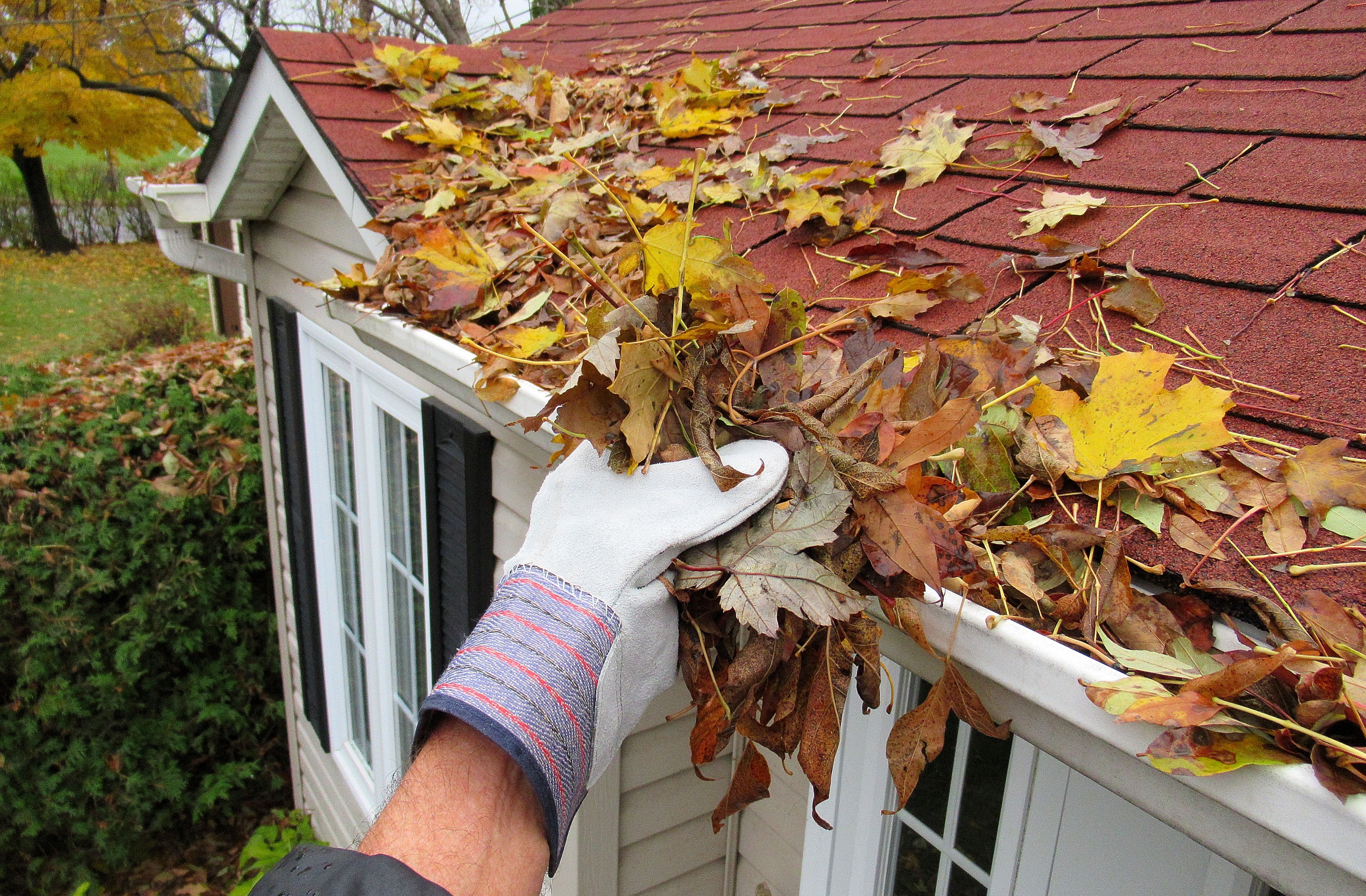
Ensure that gutters and downspouts are clear of debris. Clogged gutters can lead to water overflow, which can freeze and expand, causing damage to the roof and walls. Consider installing gutter guards to prevent leaves and debris from accumulating.
Protect Your Driveway and Walkways
Seal Concrete Surfaces
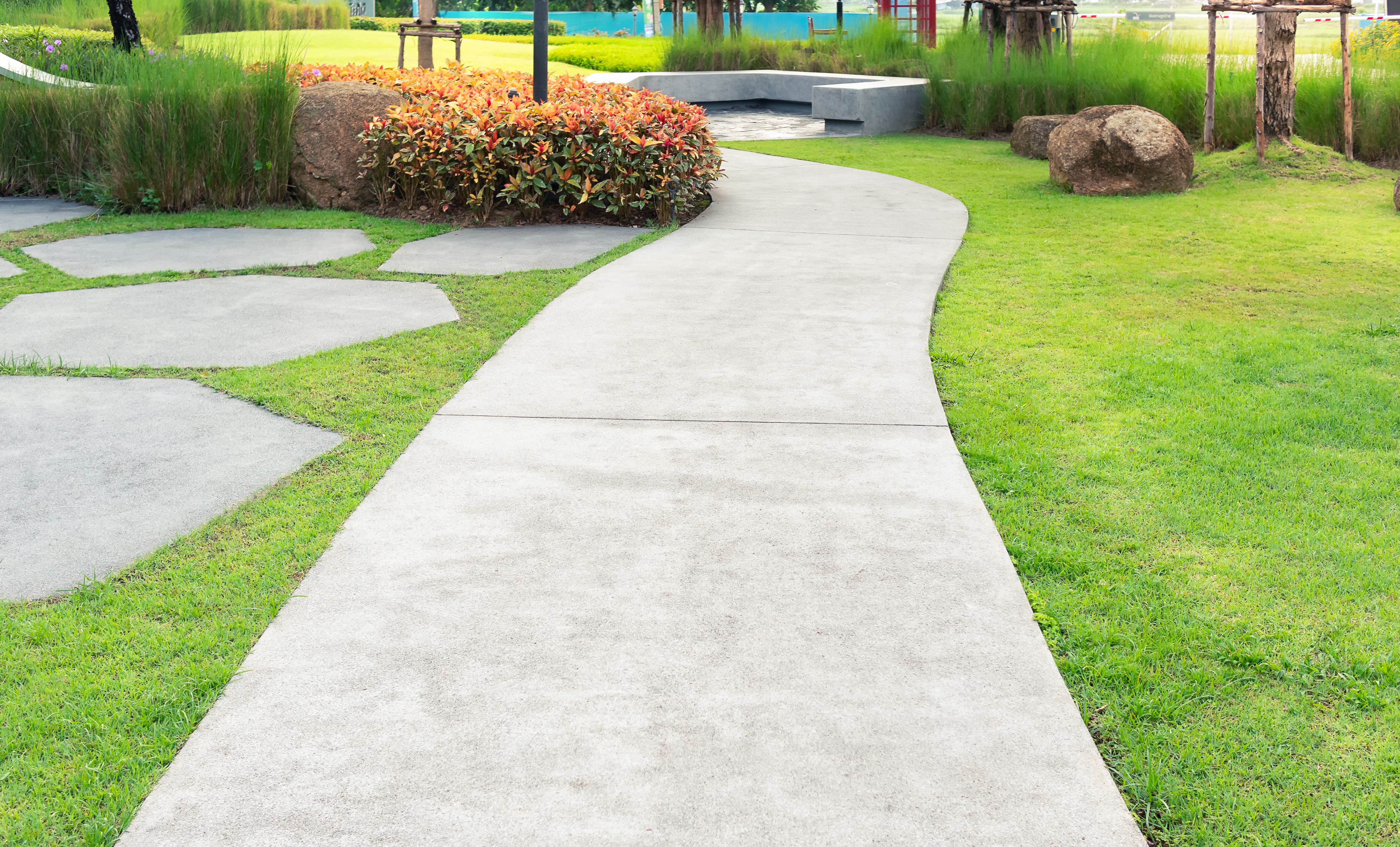
Concrete driveways and walkways are particularly susceptible to freeze-thaw damage. Applying a concrete sealer can provide a protective barrier against moisture. This simple step can extend the life of your surfaces and keep them looking pristine.
Use De-Icing Products Wisely
While de-icing products can be effective, they can also cause harm to concrete and vegetation if used excessively. Opt for products that are safe for your specific type of concrete and follow the manufacturer’s instructions to minimize damage.
Maintain Your Home’s Interior
Regulate Indoor Temperature
Keeping your home at a consistent temperature can reduce the risk of freeze-thaw damage. Fluctuating indoor temperatures can exacerbate the effects of the freeze-thaw cycle on your home’s structure.
Inspect Plumbing and Insulation
Frozen pipes can burst and cause significant damage. Check that your plumbing is well-insulated, especially in areas exposed to the cold. Consider installing pipe insulation or heat tape as an additional protective measure.
By taking these steps, you can help protect your home from the damaging effects of Montana’s freeze-thaw cycles. Regular maintenance and timely repairs can make all the difference in preserving your property’s integrity and value.