How to Assess Your Property for Drainage Needs: A Bigfork Homeowner's Guide


Understanding Your Property's Drainage System
As a homeowner in Bigfork, ensuring proper drainage on your property is crucial to maintaining its value and preventing potential issues like flooding or erosion. Understanding how water flows and drains from your land can help you identify areas that need attention.
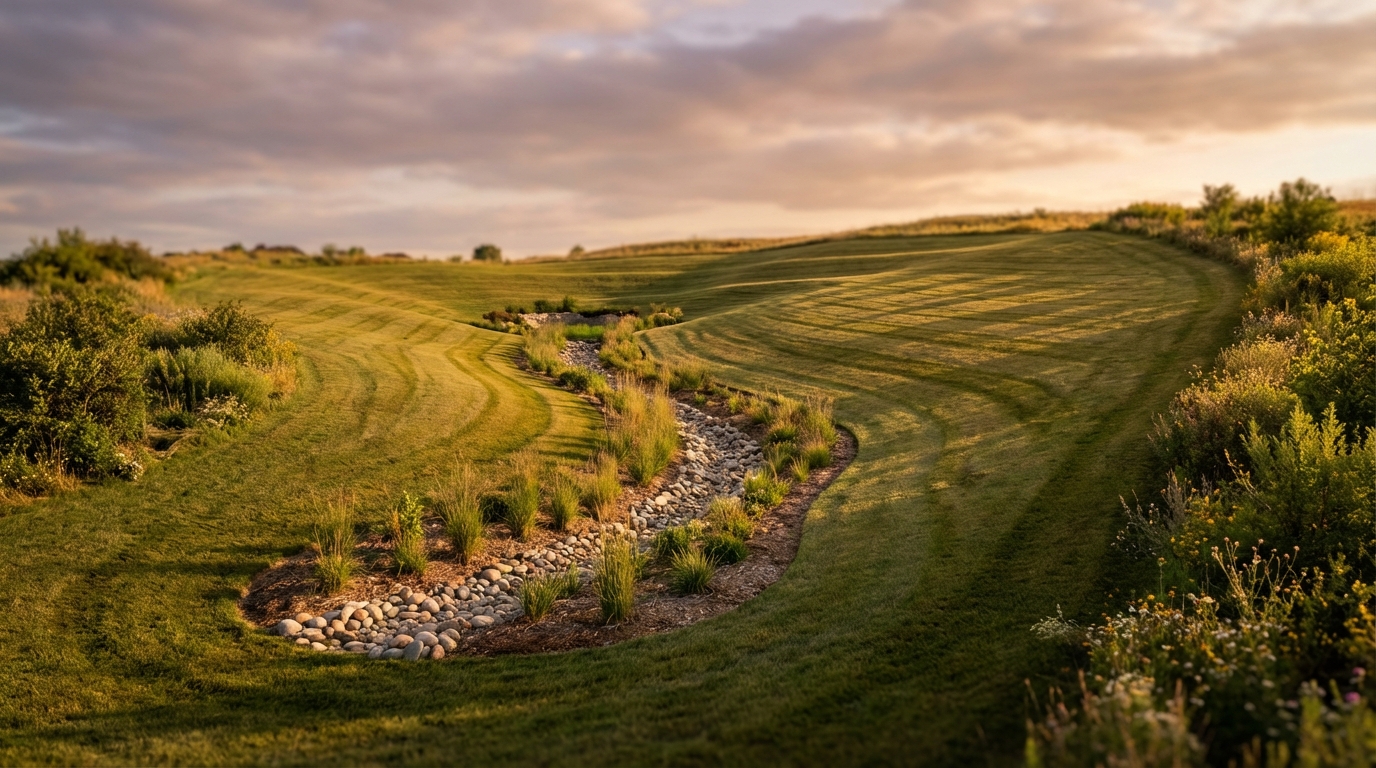
Identifying Drainage Issues
Before making any changes, it's important to identify existing drainage issues. Look for signs such as standing water, water stains on your home's foundation, or erosion near driveways and walkways. These indicators can help pinpoint problem areas that need further assessment.
Another method to assess drainage needs is to observe your property during a heavy rain. Take notes on where water pools and how it moves across the landscape. This real-time analysis can be invaluable in understanding your property's drainage dynamics.
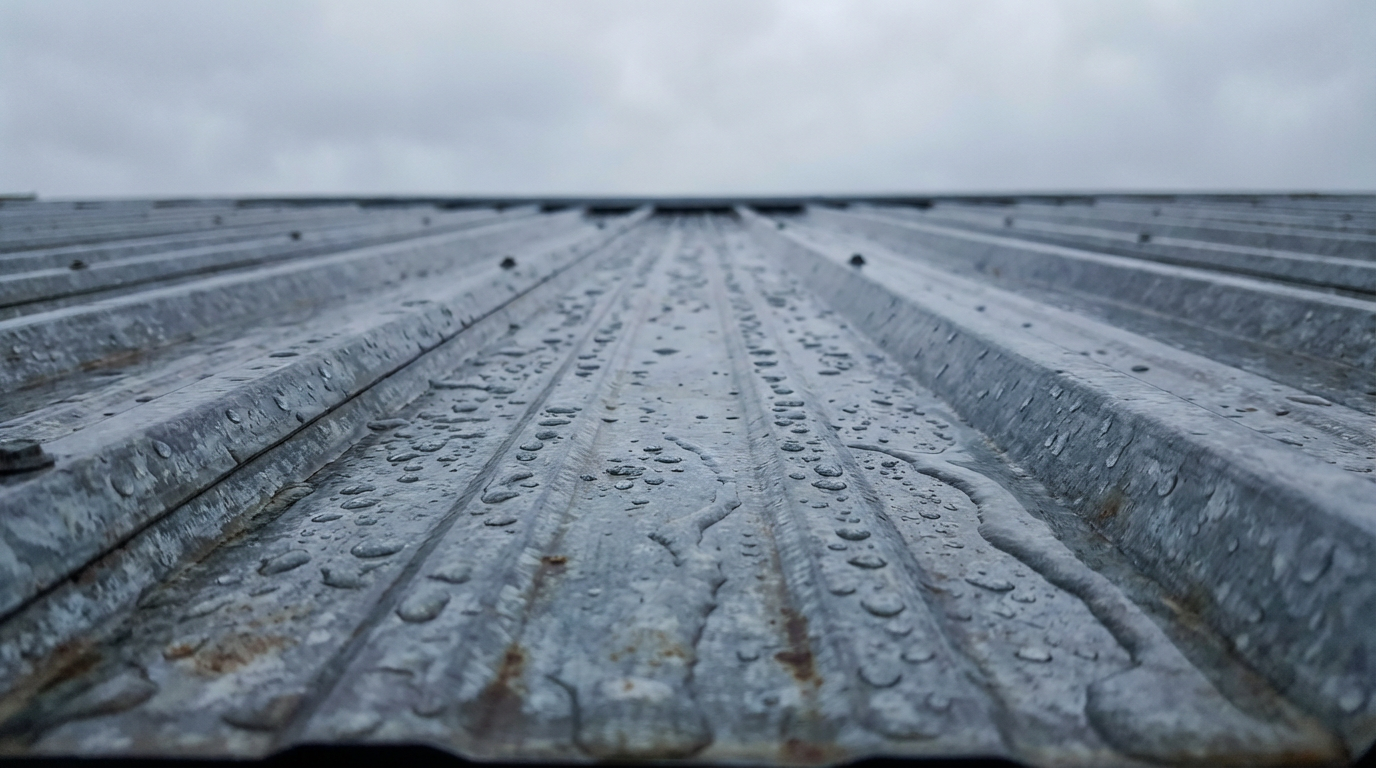
Evaluating Soil and Topography
The type of soil and topography of your land play significant roles in drainage. Sandy soils drain water quickly, while clay soils retain moisture, potentially leading to waterlogging. Evaluating your soil type will guide you in choosing appropriate drainage solutions.
Consider the slope of your land as well. A gentle slope facilitates natural drainage, whereas flat or low-lying areas may require additional intervention, such as installing French drains or swales.

Inspecting Gutters and Downspouts
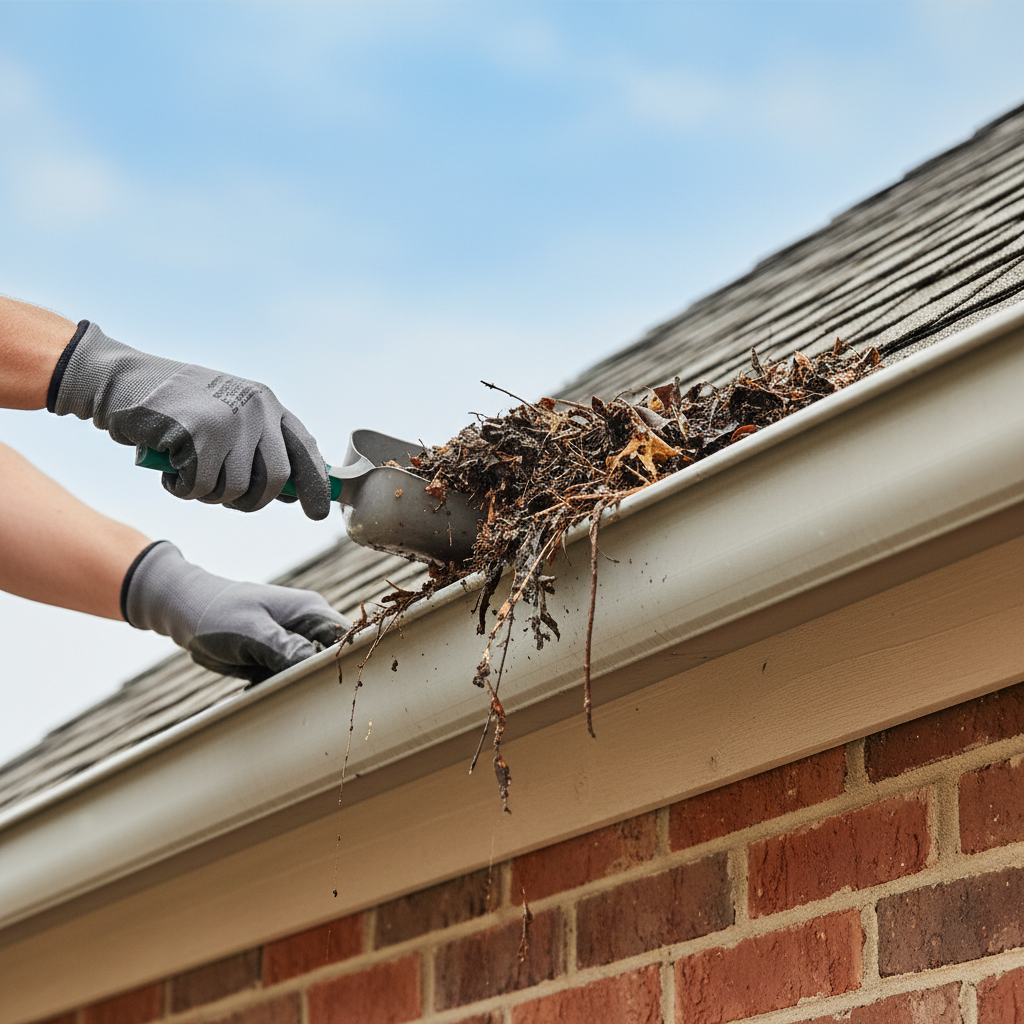
Your home's gutters and downspouts are essential components of the drainage system. Ensure they are free of debris and properly channel water away from the foundation. Regular maintenance can prevent water from overflowing and causing damage.
Check that downspouts extend at least five feet away from your home. If necessary, add extensions or splash blocks to direct water further away to prevent pooling near the foundation.
Considering Professional Assessment
If you're unsure about assessing your property's drainage needs, consider hiring a professional. A landscape architect or a drainage specialist can provide a comprehensive evaluation and recommend effective solutions tailored to your property.
Professionals have the tools and expertise to identify subtle issues that might not be apparent to the untrained eye, ensuring a more thorough assessment.

Implementing Drainage Solutions
Once you've assessed your drainage needs, it's time to implement solutions. Common options include installing French drains, building rain gardens, or regrading certain areas to improve water flow. Choose solutions that suit your property and budget.
Maintaining these systems is equally important. Regular inspections and cleaning will ensure they function effectively, protecting your home from water-related damage.