Expert Tips for Maintaining Your Drainage System During Montana's Freeze-Thaw Cycles


Montana's unique climate, characterized by freeze-thaw cycles, can wreak havoc on drainage systems if not properly maintained. These cycles can lead to blockages, cracks, and other issues that may result in costly repairs. However, with a few expert tips, you can keep your drainage system in top condition throughout the year.
Understanding Freeze-Thaw Cycles
Freeze-thaw cycles occur when temperatures fluctuate around the freezing point, causing water to freeze and then thaw repeatedly. This process can create expansion and contraction in pipes and other components of your drainage system, potentially leading to damage. Understanding how these cycles affect your system is the first step in maintaining its integrity.
As water freezes, it expands, exerting pressure on pipes. When it thaws, the pressure is relieved, but the cycle can weaken materials over time. It's crucial to be proactive in identifying and addressing potential issues before they become problems.

Regular Inspection and Cleaning
One of the most effective ways to protect your drainage system is through regular inspection and cleaning. Check your gutters, downspouts, and drains for any signs of blockage or damage. Look for leaves, dirt, and other debris that may have accumulated, especially after storms or heavy winds.
Consider hiring a professional to perform a thorough cleaning at least once a year. They can reach areas that are difficult to access and ensure that your system is running smoothly. Regular maintenance can prevent small issues from becoming major headaches.
Insulating Your Pipes
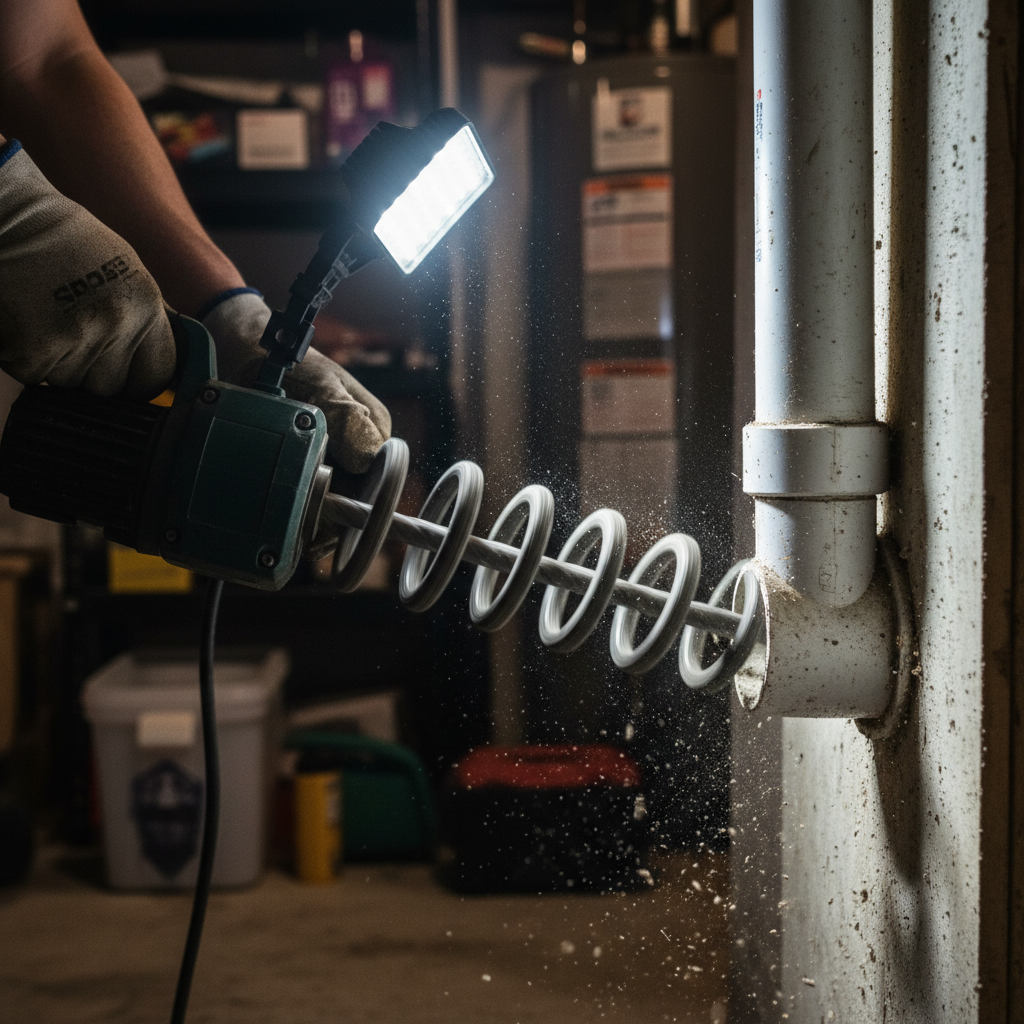
Insulating your pipes is an effective way to protect them from the harsh effects of freeze-thaw cycles. Use foam pipe insulation or heat tape to wrap exposed pipes, especially those located in unheated areas like basements or garages. This added layer of protection can help maintain consistent temperatures and prevent freezing.
It's also wise to seal any cracks or gaps in walls where pipes enter your home. These small openings can let in cold air, increasing the risk of freezing.
Proper Grading and Drainage
Ensuring that your property is properly graded is essential for effective drainage. Water should flow away from your home, not towards it. Check the slope of your yard and make adjustments if necessary to prevent water pooling around your foundation.
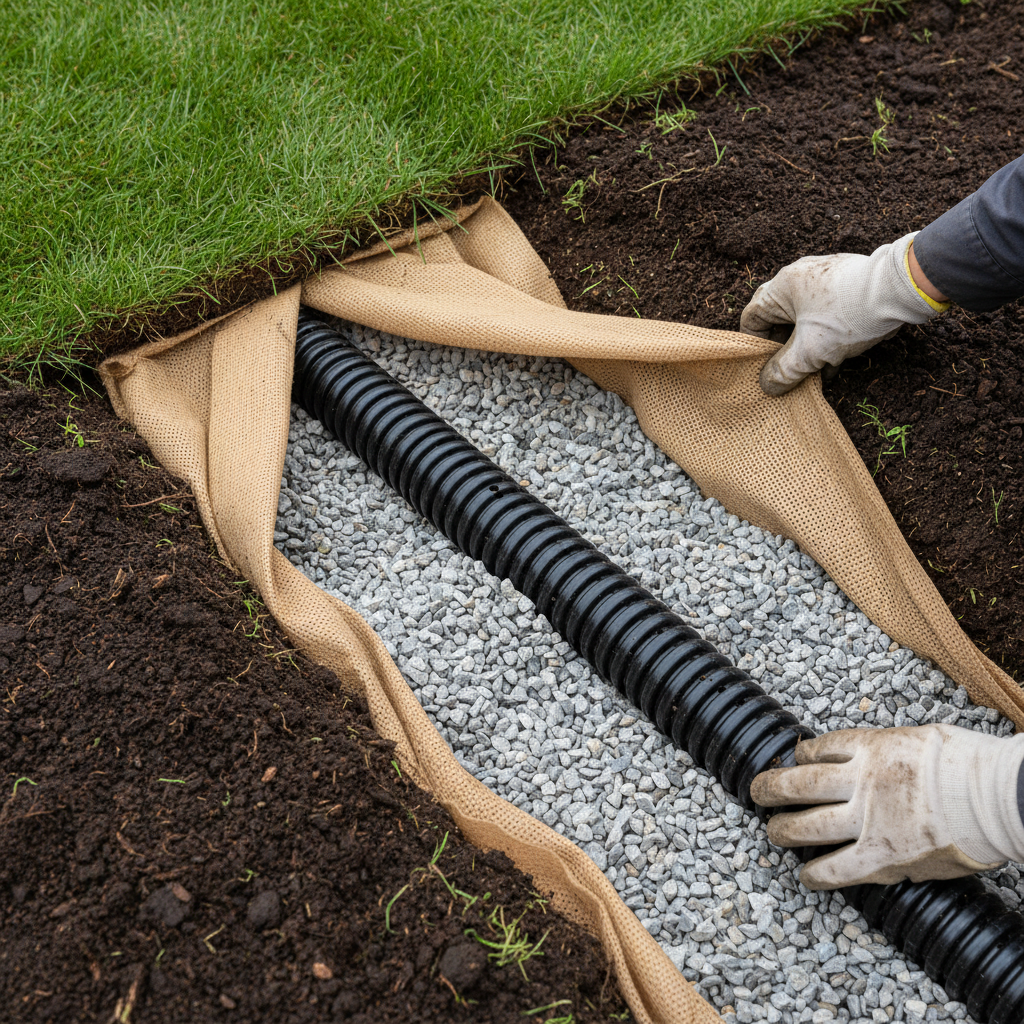
Install or maintain French drains or other systems that direct water away from your home. These systems can help manage excess water and reduce the stress on your drainage system during freeze-thaw cycles.
Winterizing Your System
Before the coldest months arrive, take steps to winterize your drainage system. Disconnect and store garden hoses, and shut off exterior water sources to prevent frozen pipes. Drain any standing water from outdoor plumbing and ensure that fixtures are fully dry.
Consider using antifreeze solutions in areas that are particularly vulnerable to freezing. Consult with a professional to determine the best products for your specific needs.
Monitoring and Quick Response
Finally, stay vigilant and monitor your drainage system throughout the winter. Pay attention to any unusual sounds, slow drainage, or other signs of trouble. Quick response to these issues can prevent them from escalating into costly repairs.
In conclusion, maintaining your drainage system during Montana's freeze-thaw cycles requires diligence and proactive measures. By following these expert tips, you can protect your home and save yourself from unnecessary stress and expense.