Expert Advice on Preventing Foundation Damage with Proper Drainage


Understanding the Importance of Proper Drainage
Foundation damage is a homeowner’s nightmare, often leading to expensive repairs and decreased property value. One of the primary causes of foundation issues is poor drainage. Ensuring that water is effectively channeled away from your home is crucial for maintaining a strong and stable foundation.
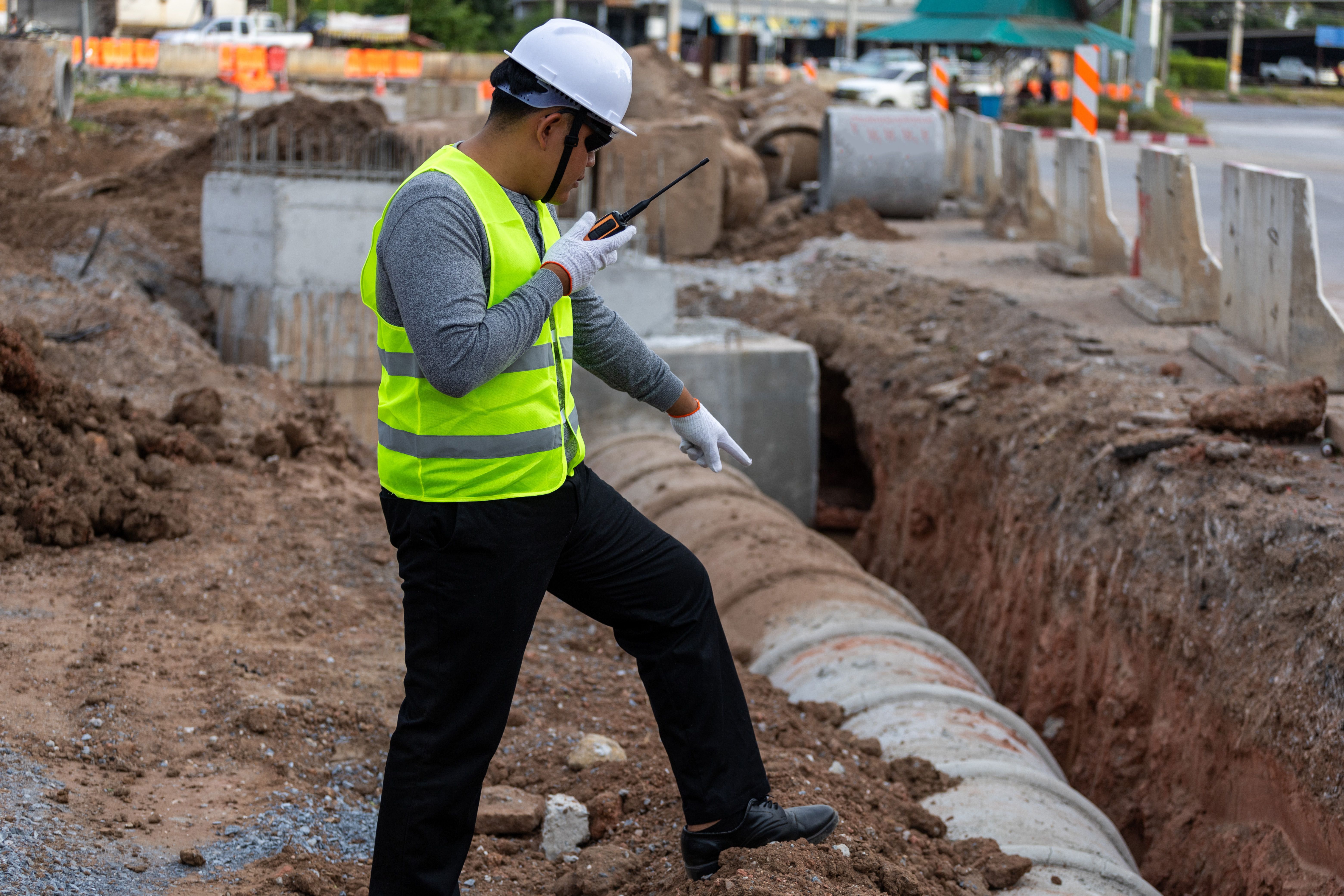
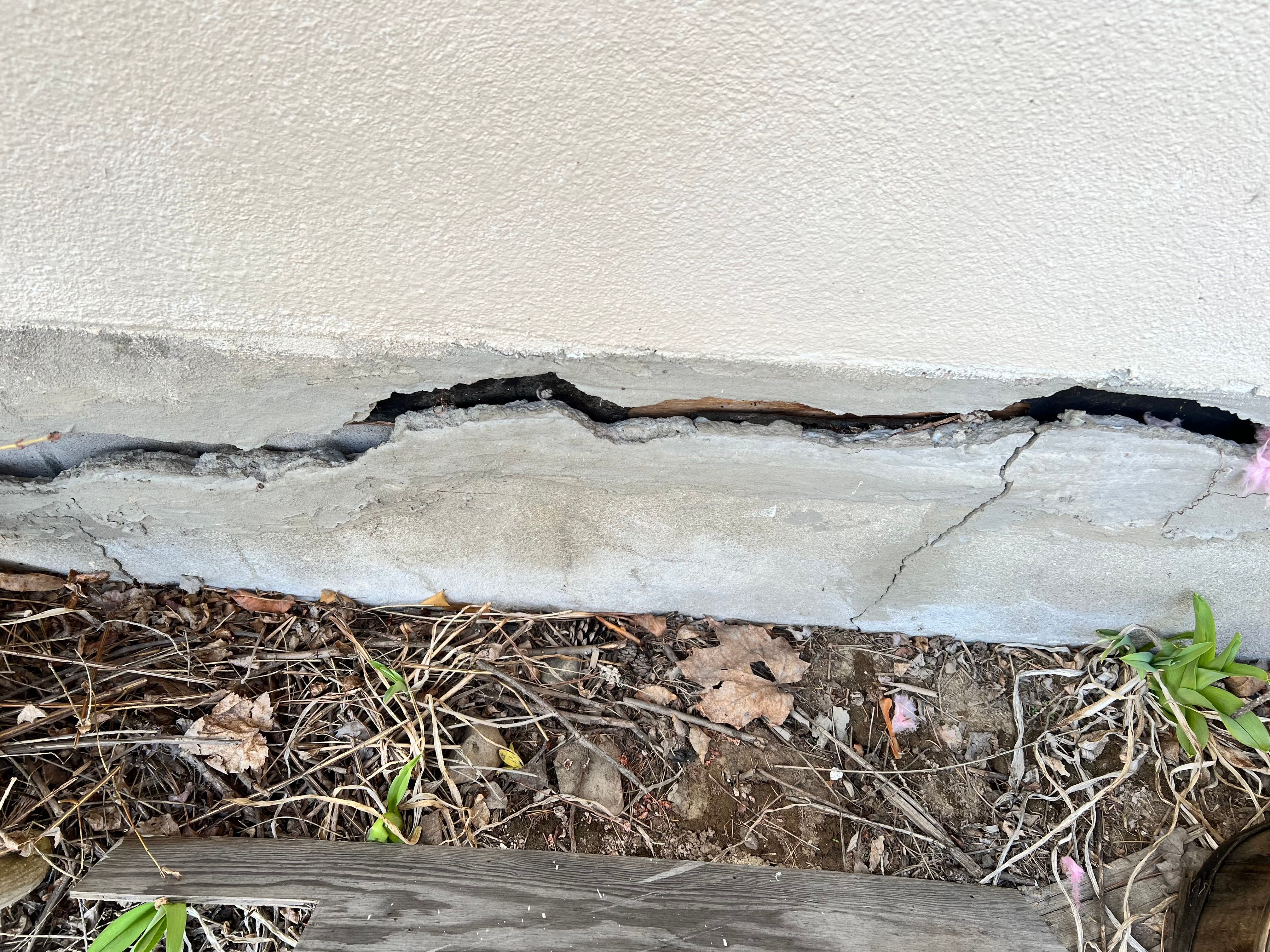
Without proper drainage, water can accumulate around the base of your home, causing soil erosion and increasing hydrostatic pressure on the foundation walls. Over time, this pressure can lead to cracks, shifting, and other structural issues. It's essential to understand how you can prevent such damage through effective drainage solutions.
Identifying Common Drainage Problems
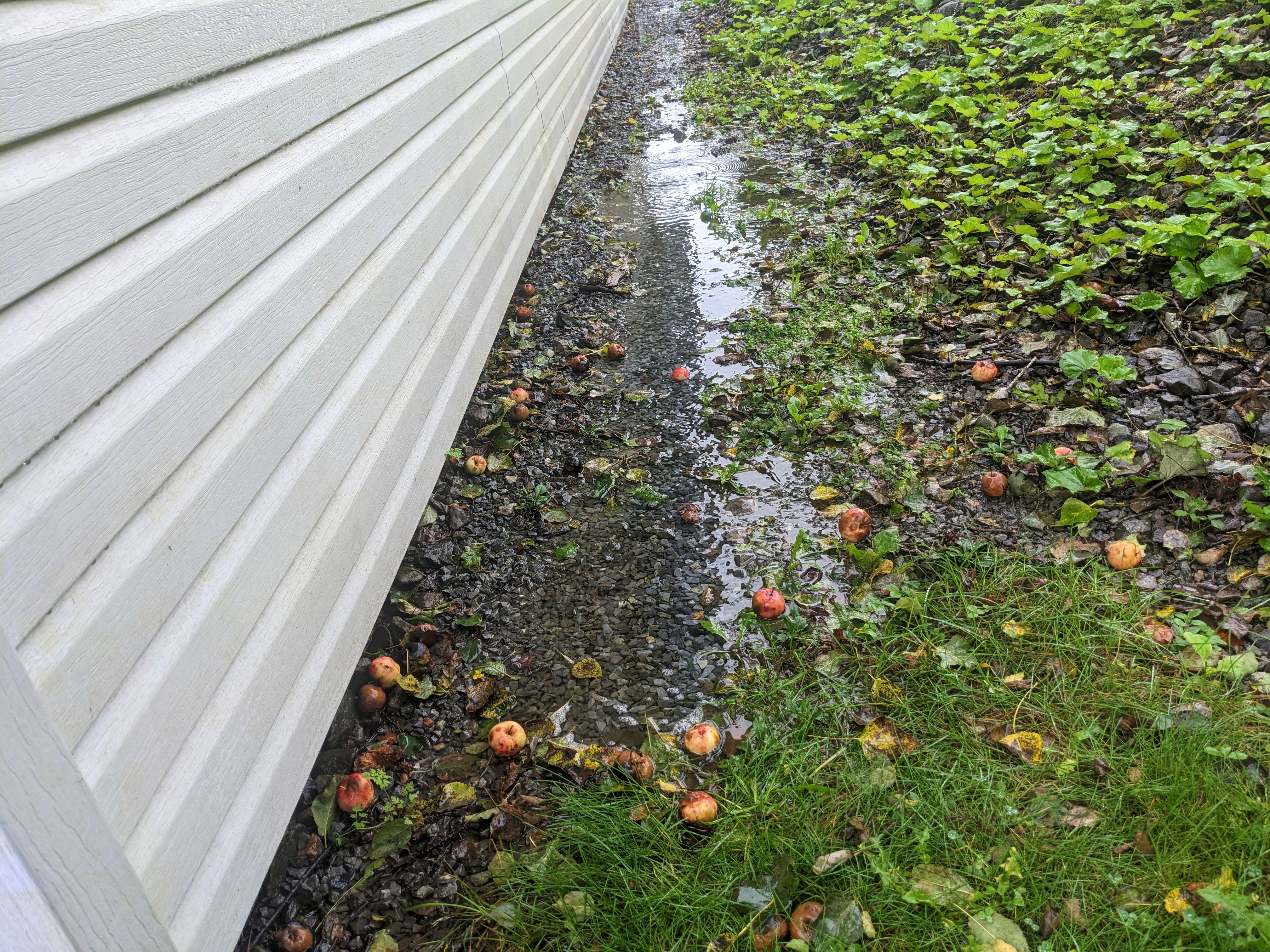
Before implementing any drainage solutions, identify existing problems. Common signs of poor drainage include pooling water, wet basements, and water stains on the foundation walls. If you notice these issues, it’s time to take action.
Inspect your gutters, downspouts, and landscape grading. Gutters should be free of debris, and downspouts should extend at least five feet away from your home. Additionally, the ground should slope away from the foundation to prevent water from collecting near the base.
Effective Drainage Solutions
There are several strategies you can employ to improve drainage around your home. One of the simplest solutions is to ensure your gutters and downspouts are functioning correctly. Regularly clean and maintain them to prevent clogs that can cause overflow and pooling water.
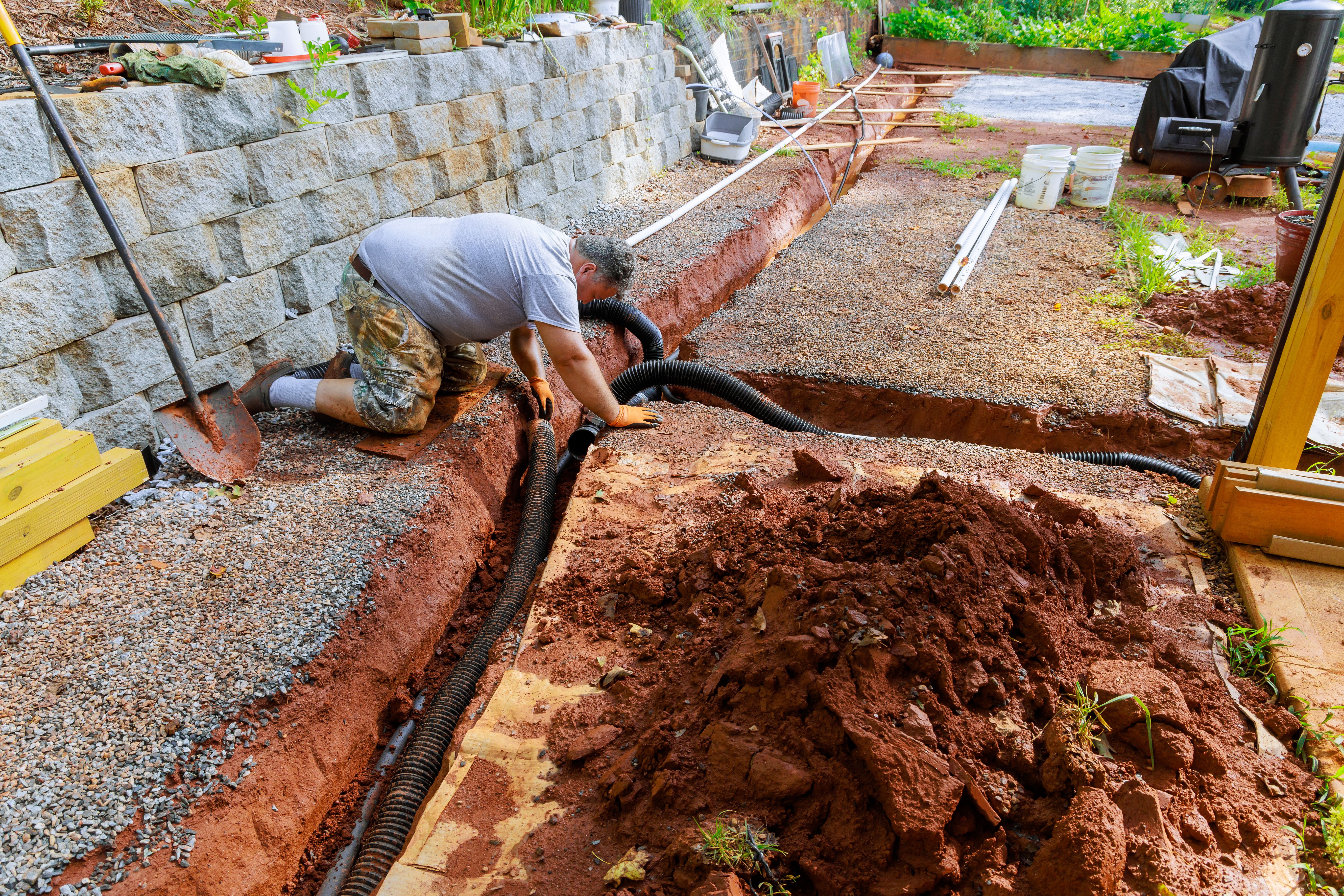
Another effective strategy is installing a French drain. This involves digging a trench around your home’s perimeter, lining it with gravel, and placing a perforated pipe that directs water away from the foundation. French drains are particularly useful in areas with heavy rainfall.
Landscaping and Grading
Proper landscaping can also play a significant role in preventing foundation damage. Ensure that your yard is graded to slope away from the foundation, directing rainwater to drainage ditches or storm drains. You can also incorporate plants and shrubs that require minimal watering and help absorb excess moisture.
Consider creating a rain garden in a low-lying area of your yard. These gardens are designed to collect and absorb rainwater, reducing runoff and minimizing the risk of erosion. Use native plants that are well-suited to your climate for the best results.
When to Call a Professional
While many drainage solutions can be implemented by the homeowner, some situations may require professional assistance. If you notice significant foundation cracks, ongoing water intrusion, or are unsure how to address your drainage issues, it may be time to consult with a professional.
Foundation specialists can assess the situation and recommend effective solutions tailored to your home’s specific needs. Investing in professional advice and repair early on can save you substantial costs in the long run.
In conclusion, preventing foundation damage through proper drainage is essential for maintaining the structural integrity of your home. By identifying drainage issues early and implementing effective solutions, you can protect your investment and ensure your home remains safe and secure for years to come.