Erosion Control Solutions in Montana: What You Need to Know


Montana's diverse landscapes, from its rolling plains to rugged mountains, present unique challenges when it comes to erosion control. The state's varied climate and topography require tailored solutions to protect soil and water resources effectively. Understanding the best practices and solutions for erosion control in Montana is essential for landowners, developers, and conservationists alike.
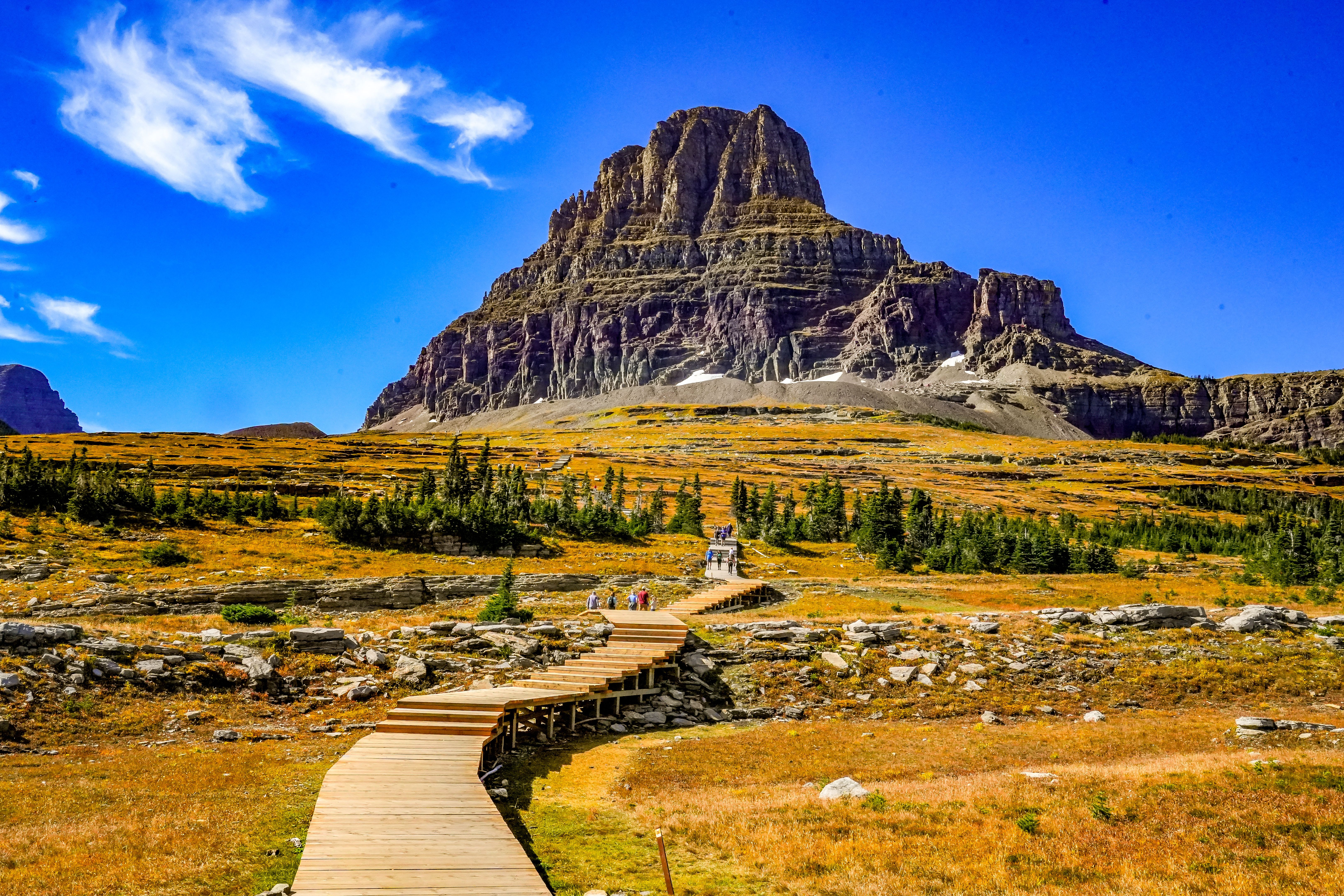
Understanding Erosion in Montana
Erosion is a natural process where soil, rock, or other surface materials are worn away and transported by wind, water, or ice. In Montana, several factors contribute to erosion, including heavy rainfall, rapid snowmelt, and strong winds. These conditions can lead to significant soil loss, negatively impacting agriculture, infrastructure, and natural habitats.
Addressing erosion involves implementing strategies that stabilize the soil and prevent further degradation. This is particularly important in areas prone to flooding or with steep slopes, where erosion can be more severe.
Common Erosion Control Methods
Several effective methods can be employed to control erosion in Montana:
- Vegetative Solutions: Planting grasses, shrubs, and trees can help stabilize the soil. Roots bind the soil together, while the vegetative cover reduces the impact of raindrops and wind.
- Terracing: This involves creating stepped levels on a slope to reduce runoff and capture water, minimizing soil erosion.
- Riprap: Using rocks or other materials to armor shorelines and stream banks can prevent erosion caused by water flow.
Innovative Erosion Control Techniques
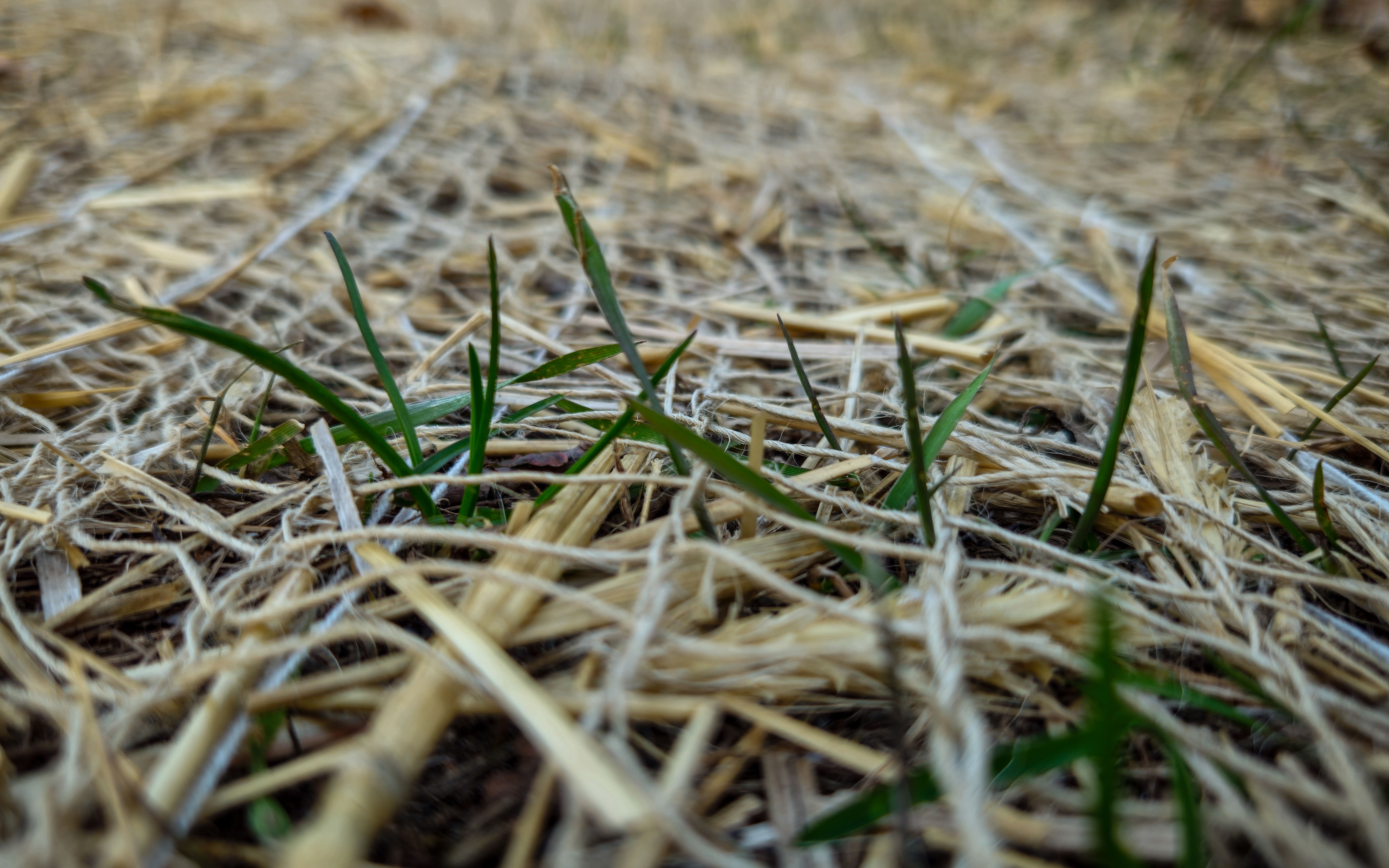
In addition to traditional methods, innovative techniques are being developed to address erosion more effectively. Geotextiles, for example, are permeable fabrics that reinforce soil and promote vegetation growth. These materials are particularly useful in areas where vegetation alone isn't enough to prevent erosion.
Another emerging solution is the use of bioengineering, which combines engineering principles with biological processes. This approach might involve using living plants and other biological materials to stabilize soil and restore natural landscapes.
The Role of Community and Policy
Community involvement and supportive policies are crucial in erosion control efforts. Local governments and organizations often provide resources and guidance to landowners seeking to implement erosion control measures. Policies that promote sustainable land management practices can also encourage wider adoption of effective erosion control strategies.

Choosing the Right Solution
Selecting the most appropriate erosion control solution depends on various factors, including the specific site conditions, climate, and intended land use. Consulting with experts in soil and water conservation can provide valuable insights and recommendations tailored to individual needs.
Ultimately, a combination of methods may be necessary to address erosion comprehensively. By integrating different techniques, landowners can create a robust erosion control strategy that protects the environment and supports sustainable land use.