Dry Wells Installation: What You Need to Know for Effective Water Management


Understanding Dry Wells
Dry wells are essential components in effective water management systems, designed to manage stormwater runoff by allowing it to drain into the ground. They are particularly useful in areas prone to flooding or where water tends to accumulate. By directing water into the ground, dry wells help prevent erosion and reduce the risk of water damage to properties.
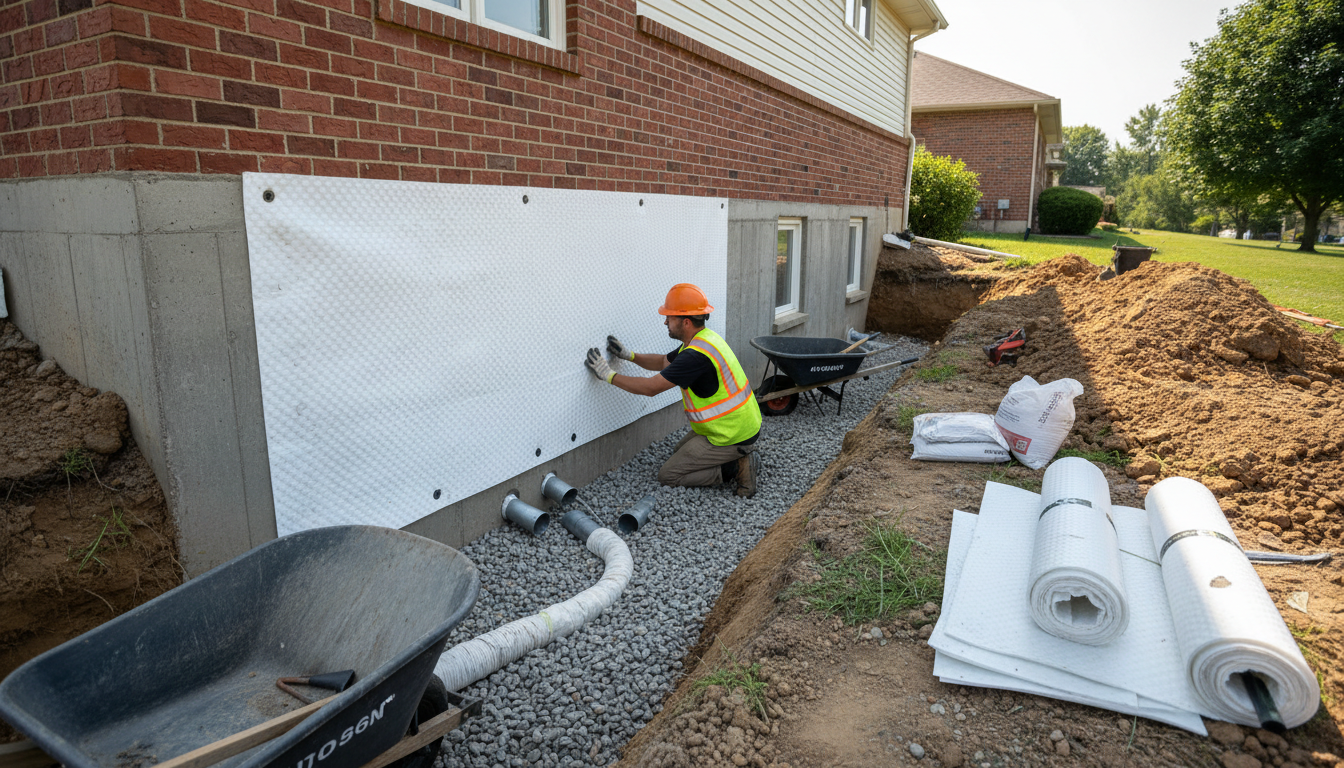
Typically, a dry well is an underground structure that collects stormwater from surfaces like roofs or driveways. The water then gradually seeps into the surrounding soil, recharging the groundwater supply. This process not only manages runoff but also supports the environment by maintaining natural water cycles.
Benefits of Dry Wells
Installing a dry well offers several advantages. First, it helps mitigate flooding by diverting excess water away from vulnerable areas. This is crucial for residential properties, where standing water can lead to foundation damage and other costly repairs.
Additionally, dry wells contribute to groundwater replenishment. By allowing water to naturally percolate into the earth, they support local ecosystems and help sustain plant life. Moreover, dry wells can reduce the burden on public drainage systems, which can be overwhelmed during heavy rains.
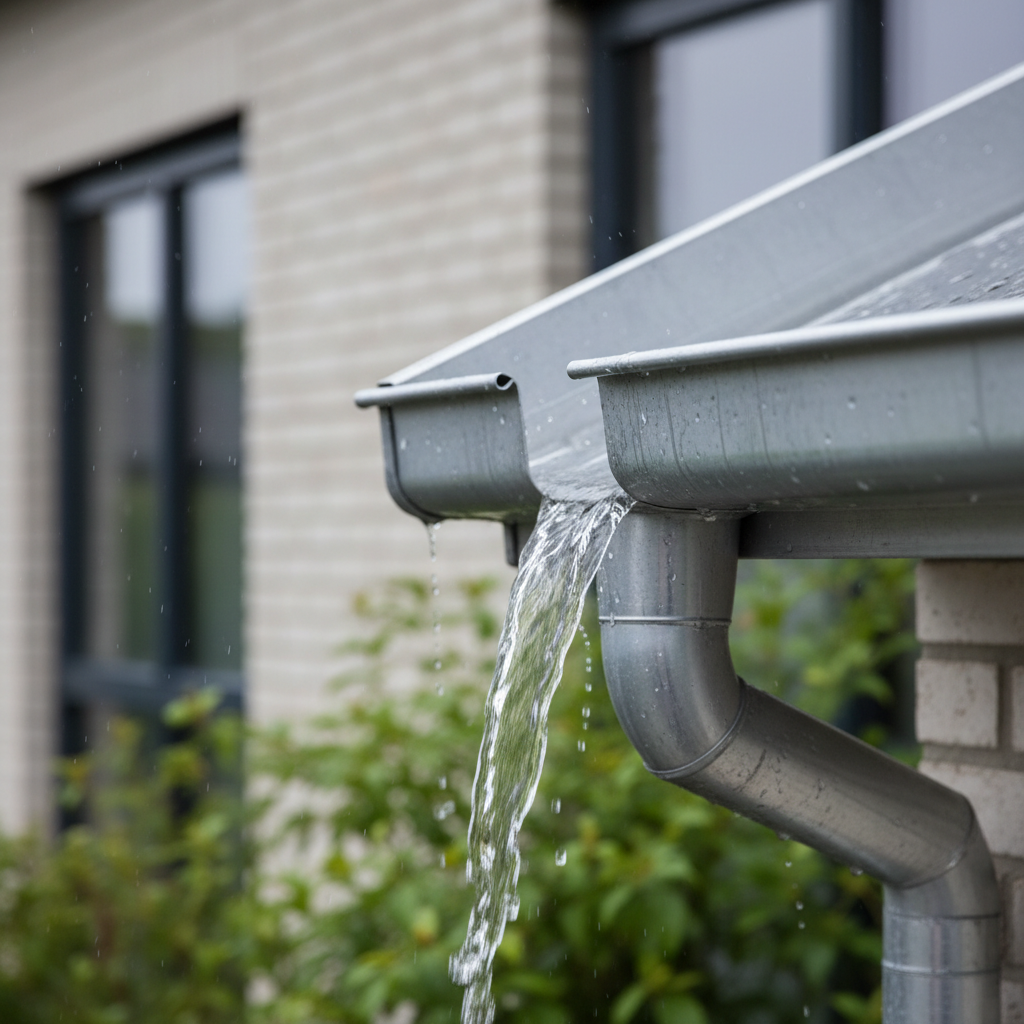
Another benefit is their potential to improve water quality. As the water filters through the soil, it undergoes a natural purification process, removing pollutants and sediments before reaching the groundwater.
Key Considerations for Installation
Before installing a dry well, it's important to assess your property's specific needs. Factors such as soil type, topography, and average rainfall will influence the design and effectiveness of the system. Consulting with an expert can ensure the installation meets local regulations and effectively manages water runoff.
Proper siting is crucial. A dry well should be placed in an area where water naturally accumulates, and at a safe distance from structures to avoid water damage. Moreover, the size and depth of the well must be adequate to handle anticipated water volumes.

Maintenance Tips
To ensure continued effectiveness, regular maintenance of your dry well is necessary. This includes clearing debris from gutters and downspouts to prevent clogging. Inspecting the well periodically for sediment buildup is also important, as excess sediment can reduce its capacity.
If you notice water pooling around the dry well or slow drainage, it may be time for professional inspection. Addressing issues promptly can prevent more significant problems and ensure your water management system operates efficiently.
Conclusion
Dry wells are a practical solution for managing stormwater runoff and protecting your property from water damage. By understanding the benefits and requirements of dry well installation, you can effectively incorporate this system into your landscape. With proper planning and maintenance, a dry well can be a long-lasting component of your water management strategy.