DIY Tips for Maintaining Your French Drains and Dry Wells


Understanding French Drains and Dry Wells
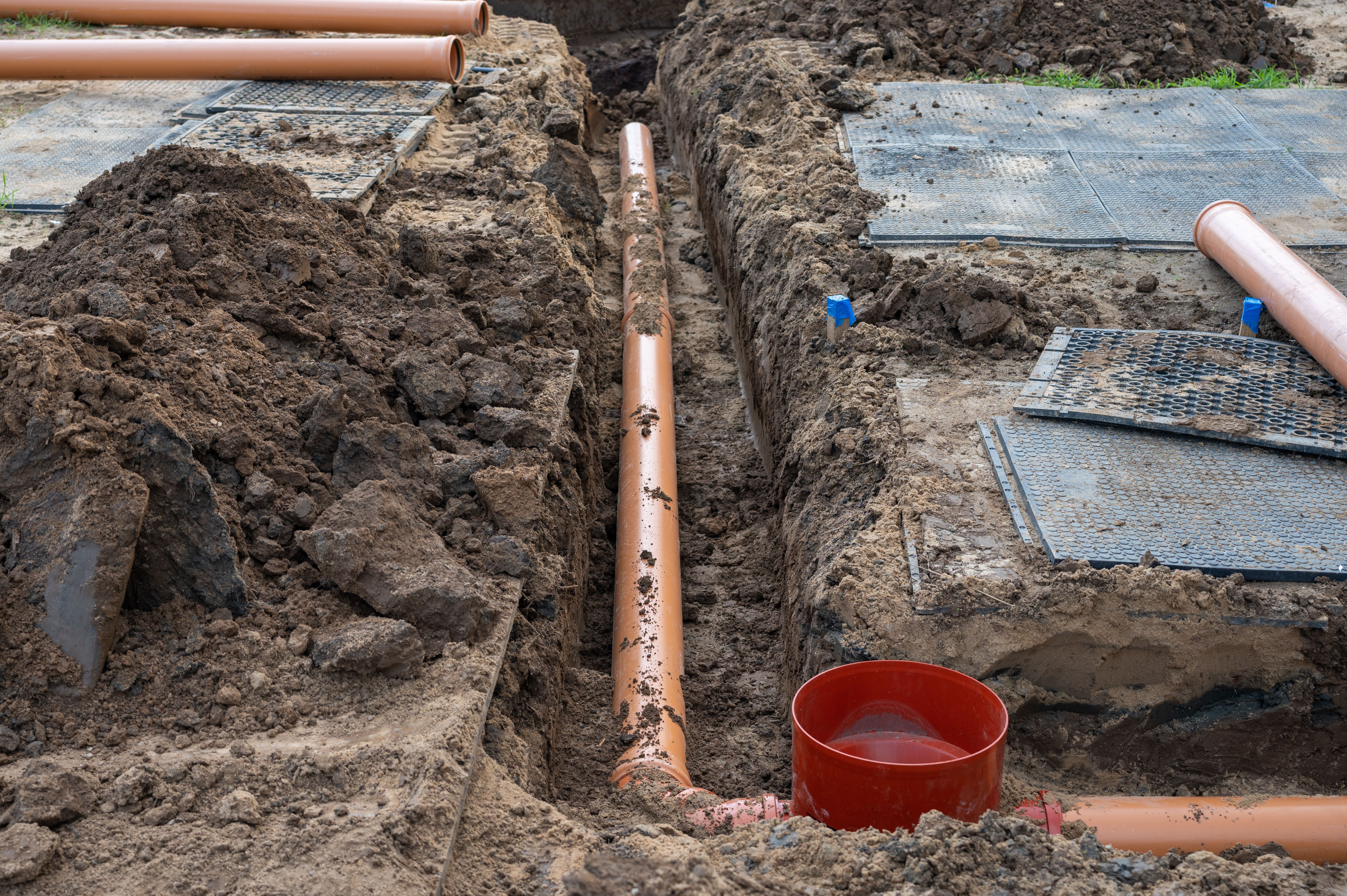
French drains and dry wells are essential components in managing excess water around your property. They help prevent water damage by directing water away from your home’s foundation. Maintaining these systems is crucial for their efficiency and longevity.
Regular Inspection and Cleaning
Inspect your French drains and dry wells regularly. Look for signs of clogging or blockage, such as water pooling in areas where it shouldn't be. Regular cleaning is essential to remove debris and sediment that can obstruct water flow.
For French drains, use a garden hose to flush out the pipes. This simple task can prevent significant issues down the line. For dry wells, make sure the surrounding area is free of debris.
Check for Damage
Over time, wear and tear can cause damage to your drainage systems. Check your French drains for cracks or shifts in the piping. If you notice any damage, repairs should be made promptly to prevent further issues.
Maintaining Proper Functionality
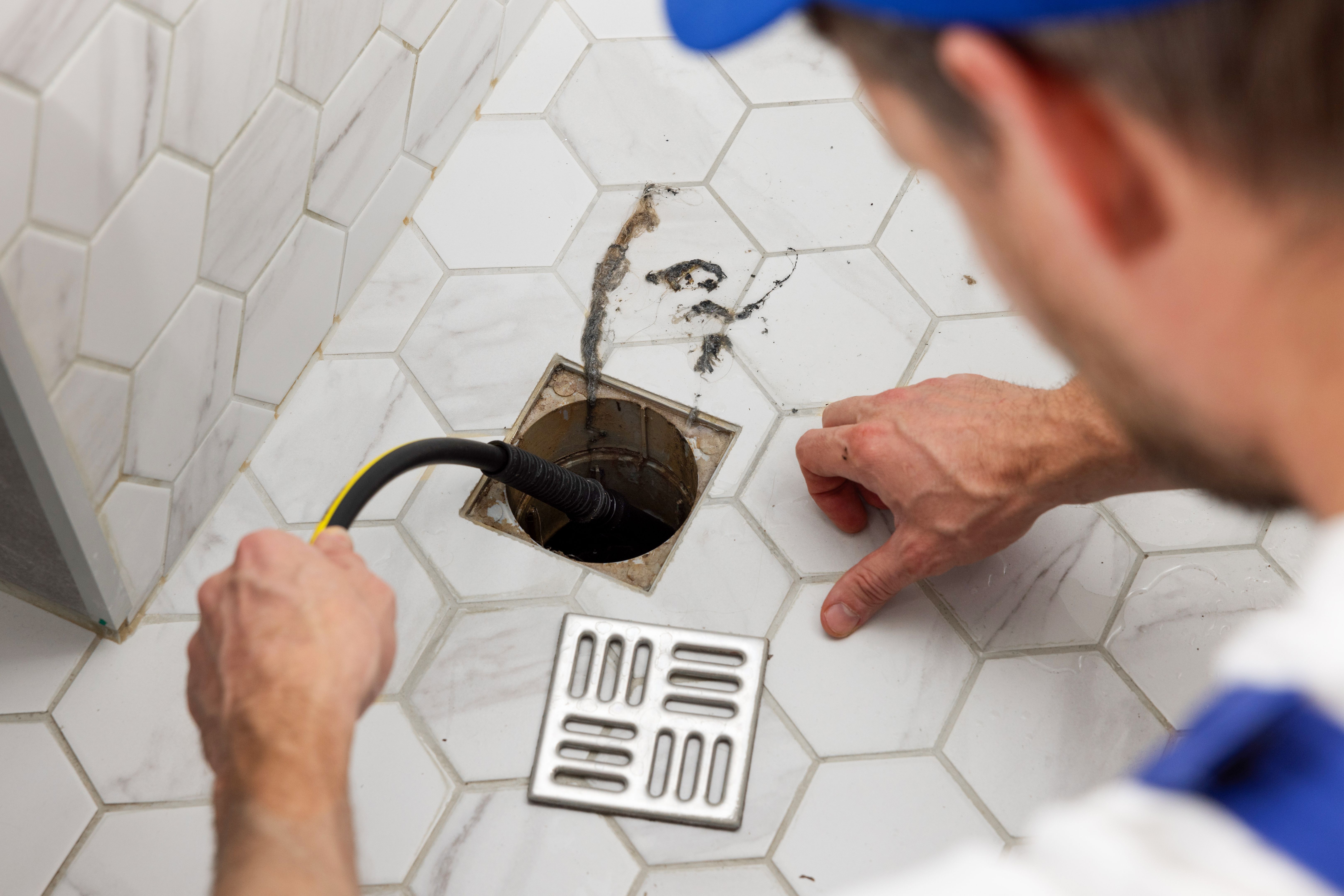
Ensure that your French drains and dry wells are functioning correctly by performing a water test. Simply pour water into the system and observe how efficiently it drains. This will help you identify any potential problems before they become severe.
Another tip is to check the slope of your French drain. It should have a slight incline to direct water away from the foundation efficiently.
Seasonal Maintenance Tips
During fall, clear leaves and other debris that may have accumulated around your drainage systems. In winter, ensure that your drains and wells are not blocked by ice or snow. Proper seasonal maintenance can prevent costly repairs.

DIY Repair Techniques
If you find minor issues with your French drains or dry wells, there are some DIY repair techniques you can try. For small cracks in the piping, using a waterproof sealant can be an effective temporary fix.
For more significant issues, such as a collapsed pipe, you might need to replace sections of the drain. This task requires some digging and pipe installation skills, so be prepared with the right tools and safety gear.
When to Call a Professional
While DIY maintenance can handle minor issues, sometimes professional help is necessary. If you encounter persistent problems or if the task feels beyond your expertise, it’s best to call a professional. They can provide a thorough inspection and offer solutions that might not be obvious to the untrained eye.

In conclusion, regular maintenance of your French drains and dry wells is essential to keep them functioning efficiently. With these DIY tips, you can ensure that your drainage systems remain in top condition, protecting your home from potential water damage.