Comparing French Drains and Channel Drains: Which is Right for Your Property?


Understanding French Drains
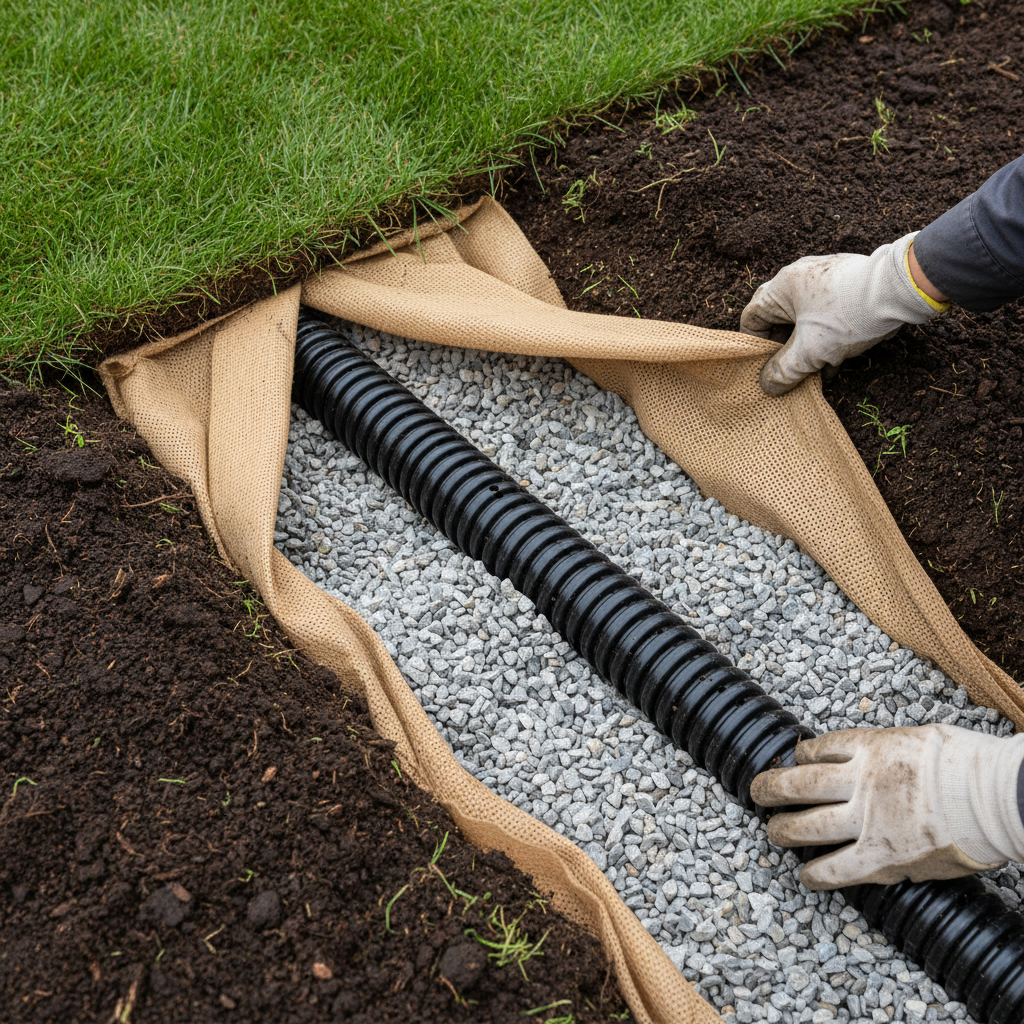
French drains are a popular solution for managing groundwater and surface water. They consist of a trench filled with gravel or rock, containing a perforated pipe that redirects water away from your property. This system is particularly effective in areas prone to flooding or where groundwater levels are high.
One of the main advantages of French drains is their ability to handle large volumes of water efficiently. They are ideal for properties with expansive lawns or gardens where water accumulation is a concern. However, installation can be labor-intensive, requiring careful planning and execution.
When to Choose a French Drain
Consider a French drain if your property experiences frequent water pooling or if you have a basement susceptible to water damage. These drains are especially useful in areas with heavy rainfall or where the soil is predominantly clay, which can retain water.
Exploring Channel Drains
Channel drains, also known as trench drains, are surface drainage systems that effectively capture and redirect runoff water. They consist of a narrow channel with a grated cover, typically installed in driveways, patios, and other paved areas.
Channel drains are particularly beneficial for properties with hardscape features. They prevent water from collecting on surfaces, reducing the risk of slips and falls. Installation is generally straightforward, but it requires precise leveling to ensure proper water flow.

When to Opt for a Channel Drain
If your property has significant paved areas and experiences issues with surface water, a channel drain might be the better option. These drains are excellent for managing water in driveways, poolsides, and walkways, where effective drainage is essential for safety and maintenance.
Key Differences Between French and Channel Drains
- Installation Depth: French drains require deeper installation compared to channel drains.
- Water Handling: French drains are better for subsurface water, while channel drains handle surface water.
- Applications: French drains suit landscapes, and channel drains are ideal for paved areas.
Cost Considerations
Both French and channel drains have varying costs based on materials, labor, and the complexity of the installation. Generally, French drains can be more expensive due to the depth and materials required. It's essential to weigh the benefits against the initial investment to determine the most cost-effective solution for your property.
Making Your Decision
Choosing between a French drain and a channel drain depends on your property's specific needs. Assess the areas prone to water accumulation, the type of soil, and existing landscaping or hardscaping. Consulting with a professional can provide valuable insights into the best drainage system for your situation.
Ultimately, both systems offer distinct advantages, and understanding these can help you make an informed decision. By addressing your property's drainage needs effectively, you can protect your investment and enhance the functionality and aesthetics of your outdoor spaces.