Comparing Drainage Solutions: French Drains vs. Dry Wells


Understanding Drainage Solutions
Proper drainage is essential for maintaining the integrity of your property and preventing water-related issues. Two popular solutions are French drains and dry wells. Each has its own set of benefits and is suited for different situations. Understanding these options can help you make an informed decision for your drainage needs.

What are French Drains?
French drains are trenches filled with gravel or rock, containing a perforated pipe that redirects surface water and groundwater away from a specific area. They are particularly effective in preventing water from pooling in low spots or near the foundation of a home.
Advantages of French Drains:
- Efficient Water Redirection: French drains are highly effective in redirecting water away from areas prone to flooding.
- Versatility: They can be used in both residential and commercial settings.
- Cost-Effective: Generally more affordable than other drainage options.
What are Dry Wells?
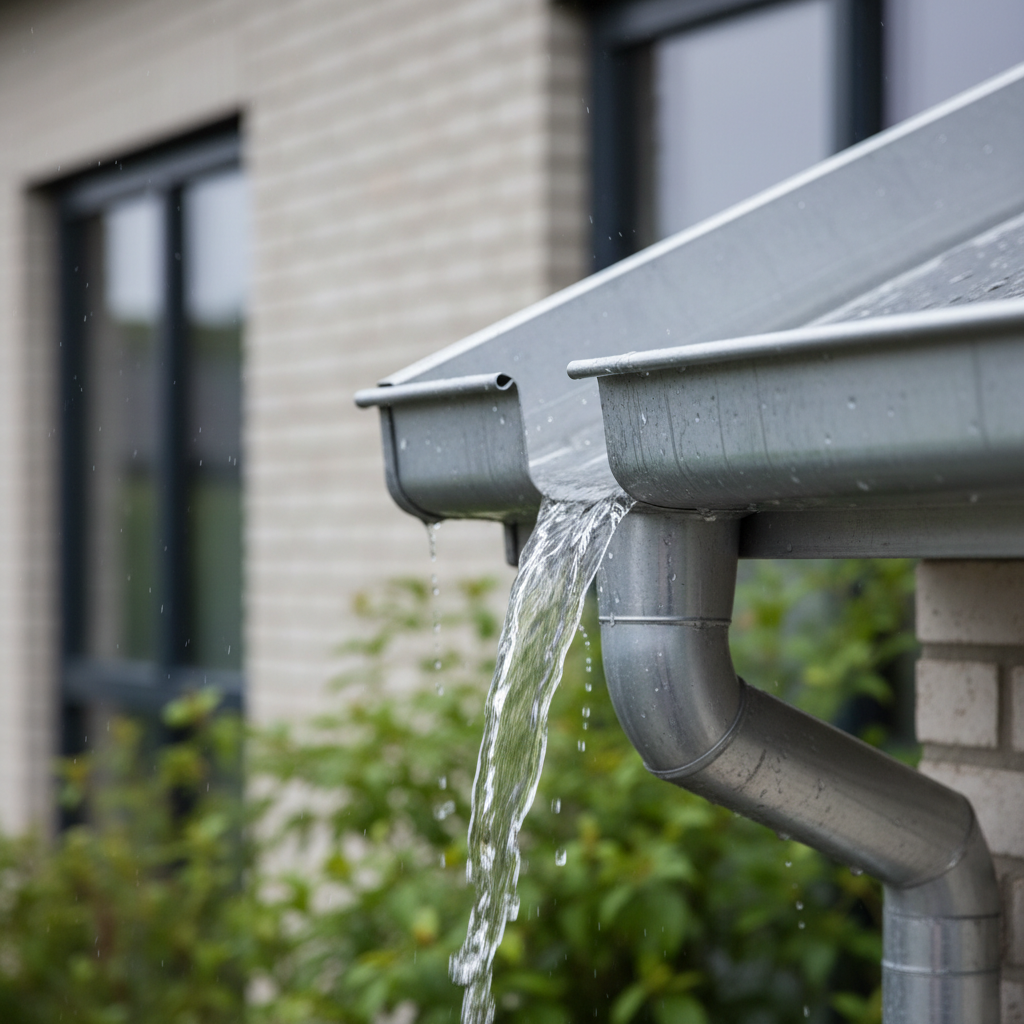
Dry wells are underground structures that collect and disperse water deep into the ground. They are typically used to manage stormwater runoff from roofs and other impermeable surfaces. Dry wells are designed to handle large volumes of water and release it slowly into the surrounding soil.
Advantages of Dry Wells:
- High Capacity: Dry wells can handle significant amounts of water, making them ideal for areas with heavy rainfall.
- Environmental Benefits: By allowing water to infiltrate the ground, dry wells recharge groundwater supplies.
- Space Efficient: Since they are underground, they do not take up surface space.
Comparing the Two Solutions
When comparing French drains and dry wells, consider the specific needs of your property. French drains are more suitable for areas where water needs to be directed away from flat surfaces or foundations. In contrast, dry wells are better for managing large volumes of water from impermeable surfaces.
Installation Considerations
Installing a French drain involves digging a trench and laying down a perforated pipe. This process requires careful planning to ensure proper water flow. On the other hand, installing a dry well involves digging a deep hole and filling it with gravel or a pre-manufactured structure. Both installations may require professional assistance to ensure they are done correctly.

Maintenance and Longevity
Both drainage solutions require maintenance to ensure longevity. French drains may need occasional cleaning to remove debris and sediment. Dry wells need to be inspected regularly to ensure they are not clogged and are functioning as intended. Proper maintenance will extend the lifespan of both systems, providing reliable drainage for years to come.
In conclusion, both French drains and dry wells offer effective solutions for managing water on your property. Choosing the right one depends on your specific needs, budget, and the existing landscape. Consulting with a professional can provide additional insights and help you make the best decision for your drainage requirements.