Common Myths About Sump Pumps Debunked


Understanding Sump Pumps
Sump pumps play a critical role in protecting homes from flooding, yet there are many misconceptions about their operation and effectiveness. Understanding how sump pumps function can help homeowners make informed decisions and maintain their systems properly. In this post, we'll explore and debunk some of the most common myths surrounding sump pumps.
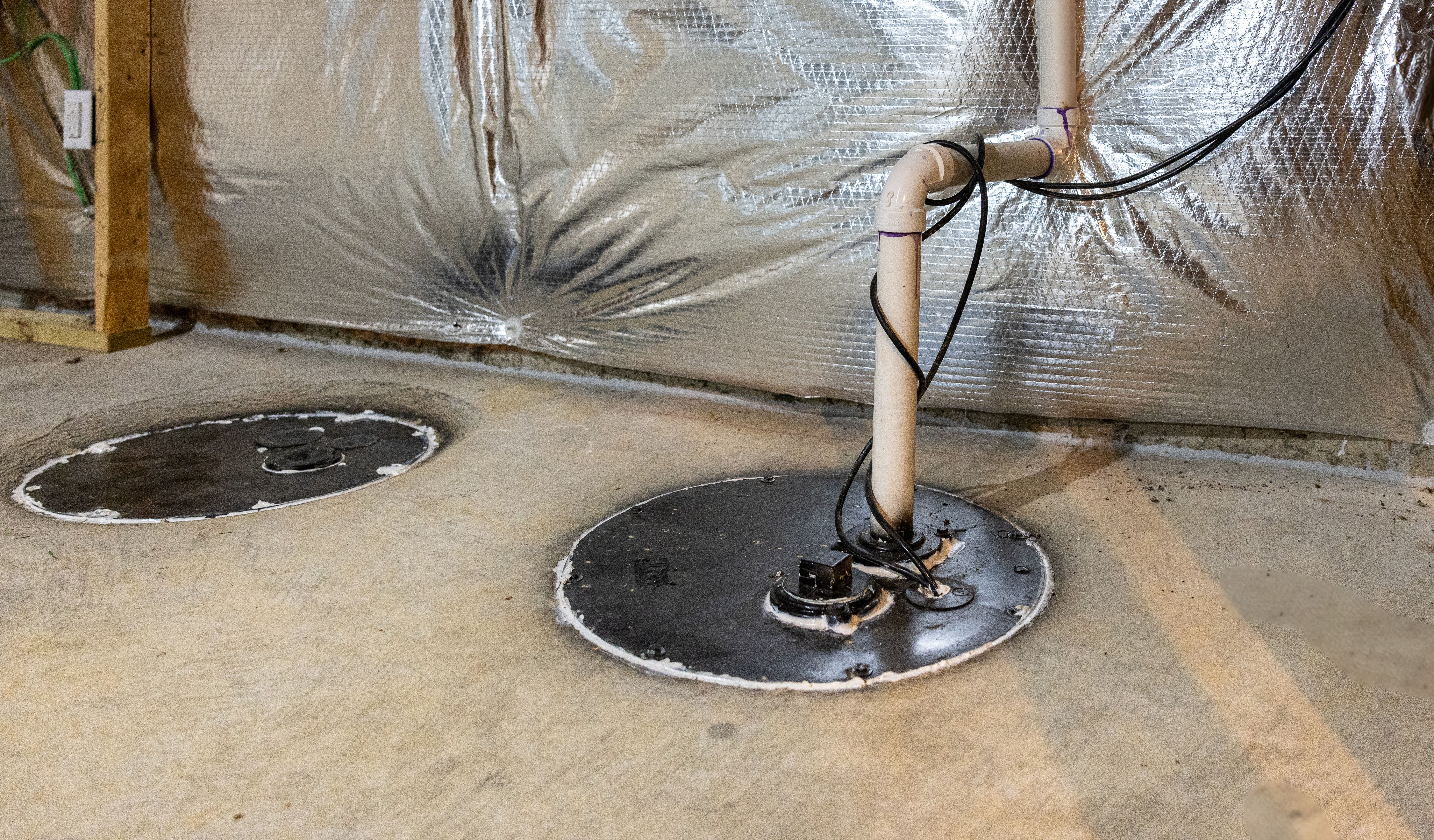
Myth: Sump Pumps Are Only Necessary in Wet Climates
One of the most widespread myths is that sump pumps are only needed in areas with high rainfall. While it’s true that homes in wet climates benefit from sump pumps, they are equally important in regions with unpredictable weather patterns. Even in areas with low annual rainfall, a sudden storm or a plumbing failure can lead to unexpected flooding.
The Importance of Sump Pumps in Any Climate
Sump pumps help manage water accumulation in basements and crawl spaces, regardless of the climate. They not only prevent flooding but also protect the foundation from water damage, mold growth, and structural issues. Installing a sump pump is a proactive measure that can save homeowners from expensive repairs down the line.
Myth: All Sump Pumps Are the Same
Another common misconception is that all sump pumps are identical. In reality, there are different types of sump pumps, each designed for specific needs and conditions. Understanding these differences can help you choose the right pump for your home.
Types of Sump Pumps
- Pedestal Pumps: These are suitable for smaller pits and are easier to service since the motor is mounted above the sump.
- Submersible Pumps: Designed to operate underwater, these pumps are more powerful and quieter, making them ideal for larger spaces.
- Battery Backup Pumps: These provide an extra layer of protection during power outages, ensuring continuous operation.
Myth: Sump Pumps Require No Maintenance
Some homeowners believe that once a sump pump is installed, it doesn't need any maintenance. This misconception can lead to pump failure at critical moments. Regular maintenance is essential to ensure the pump functions correctly when needed.
Maintaining Your Sump Pump
Regularly check the pump for debris and ensure that the discharge line is clear. Test the pump periodically by pouring water into the pit to activate it. Consider scheduling an annual professional inspection to catch any potential issues early.

Myth: Sump Pumps Are Expensive to Run
Cost concerns often deter homeowners from installing sump pumps, but these devices are generally energy-efficient. Most sump pumps only activate when necessary, using minimal electricity over time. Investing in a quality sump pump can prevent costly water damage, making it a wise financial decision in the long run.
The Cost-Efficiency of Sump Pumps
When compared to the potential costs of repairing flood damage, sump pumps are an economical choice. They provide peace of mind and protect the home’s structural integrity, offering significant value for the investment.
By debunking these common myths, homeowners can better appreciate the importance of sump pumps and ensure their homes are safeguarded against water damage. Proper understanding and maintenance of sump pumps can lead to a safer, drier home environment.