Common Myths About Drainage Systems Debunked


Understanding Drainage Systems
Drainage systems are essential for maintaining the integrity of any property. However, many misconceptions surround their functionality and effectiveness. In this blog post, we aim to debunk some of the most common myths about drainage systems to help you make informed decisions.
Myth 1: All Drainage Systems Are the Same
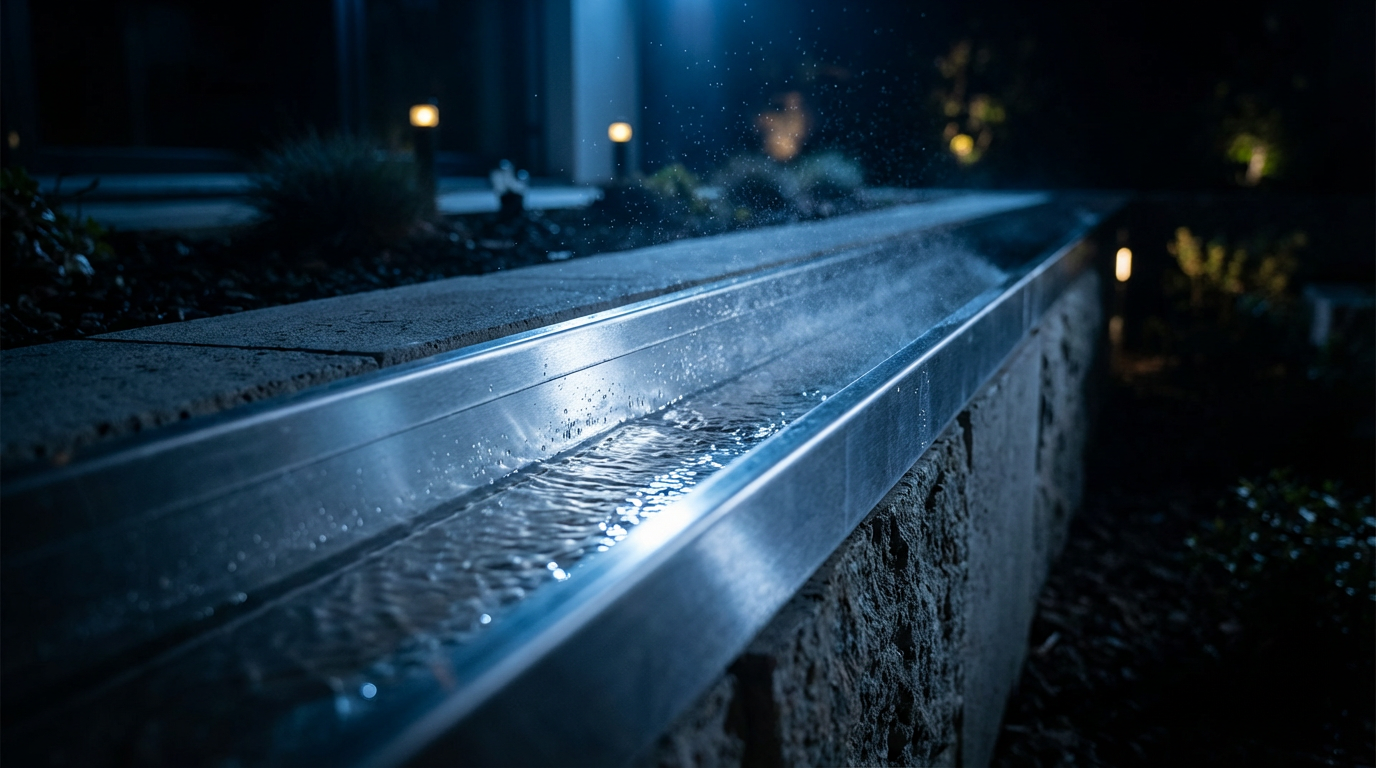
A prevalent myth is that all drainage systems function similarly. In reality, drainage systems vary significantly based on their design and purpose. Residential, commercial, and agricultural systems are tailored to different needs and environmental conditions. Understanding the specific requirements of your property is crucial for choosing the right system.
For instance, a residential drainage system may focus on redirecting rainwater away from the home, while agricultural systems often deal with larger volumes of water and require more robust solutions.
Myth 2: Maintenance is Unnecessary
Another common misconception is that once installed, drainage systems require little to no maintenance. This is far from the truth. Regular maintenance is essential to ensure that the system functions efficiently. Blockages, sediment build-up, and root intrusion can all compromise the effectiveness of a drainage system.
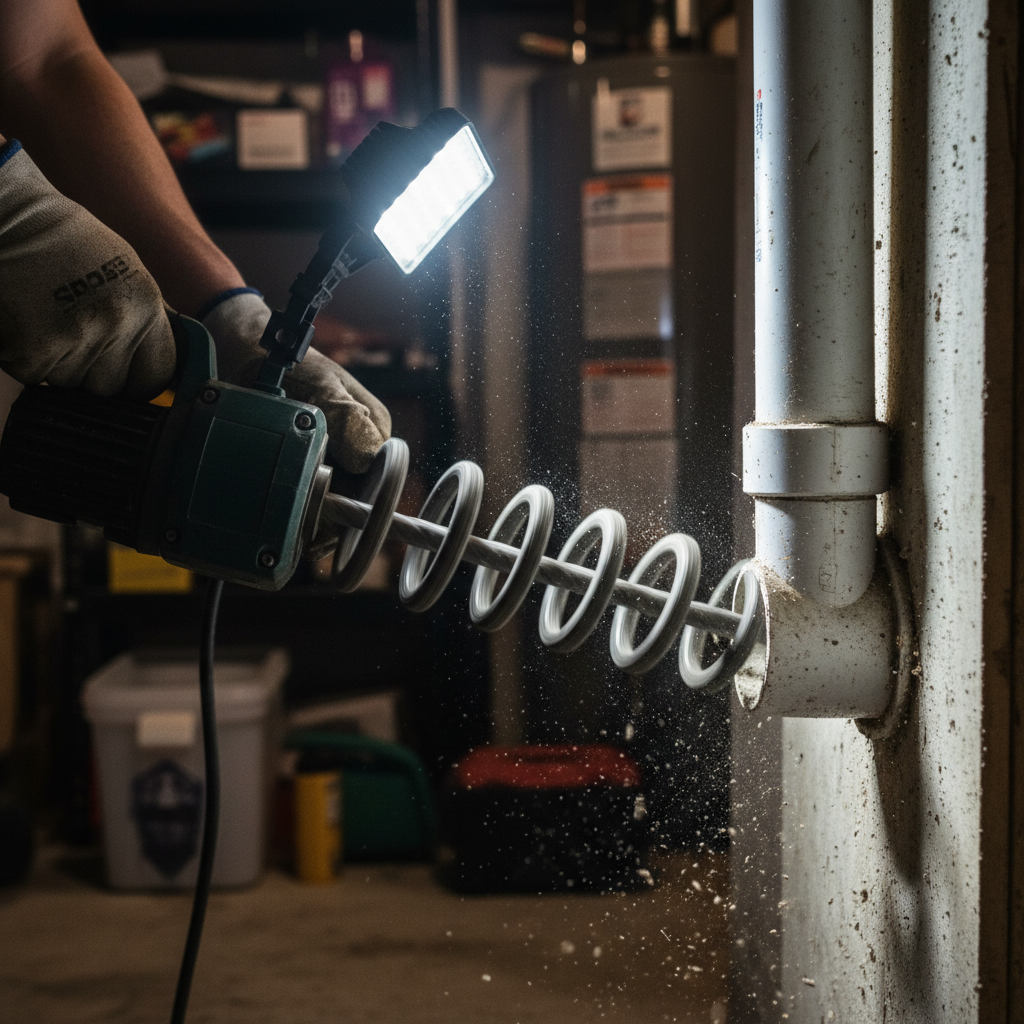
Ignoring maintenance can lead to costly repairs and potential damage to your property. Routine inspections and cleaning can prevent these issues and prolong the lifespan of your drainage system.
Myth 3: DIY Installation is Sufficient
Many property owners believe they can install drainage systems themselves without professional assistance. While DIY projects can be rewarding, drainage systems are complex and require precise calculations and knowledge of local regulations. Incorrect installation can lead to ineffective drainage and potential legal issues.
Hiring a professional ensures that the system is designed and installed correctly, considering factors like soil type, slope, and water flow patterns.
Myth 4: Drainage Systems Only Handle Rainwater
It's a common belief that drainage systems are only necessary for managing rainwater. However, these systems also play a vital role in handling groundwater and preventing soil erosion. In areas with high water tables, drainage systems are crucial in preventing water from seeping into basements and foundations.
Effective drainage systems help maintain the structural integrity of buildings and landscapes by managing all types of water flow, not just rainwater.
Conclusion: Making Informed Decisions
Understanding the realities of drainage systems helps dispel myths and ensures that property owners make informed decisions. Recognizing the importance of proper installation, regular maintenance, and professional guidance can lead to effective and long-lasting drainage solutions. Stay informed and protect your property from potential water damage by debunking these common myths.